
NDIS Positive Behaviour Support Insights | Gibelli Positive Pathways
Providing mobile PBS and Functional Behaviour Assessments to families across Victoria, New South Wales, South Australia, and Western Australia. While we support participants across multiple states, we are currently offering priority mobile capacity in Melbourne’s Western suburbs, including Melton, Werribee, and the Wyndham corridor.
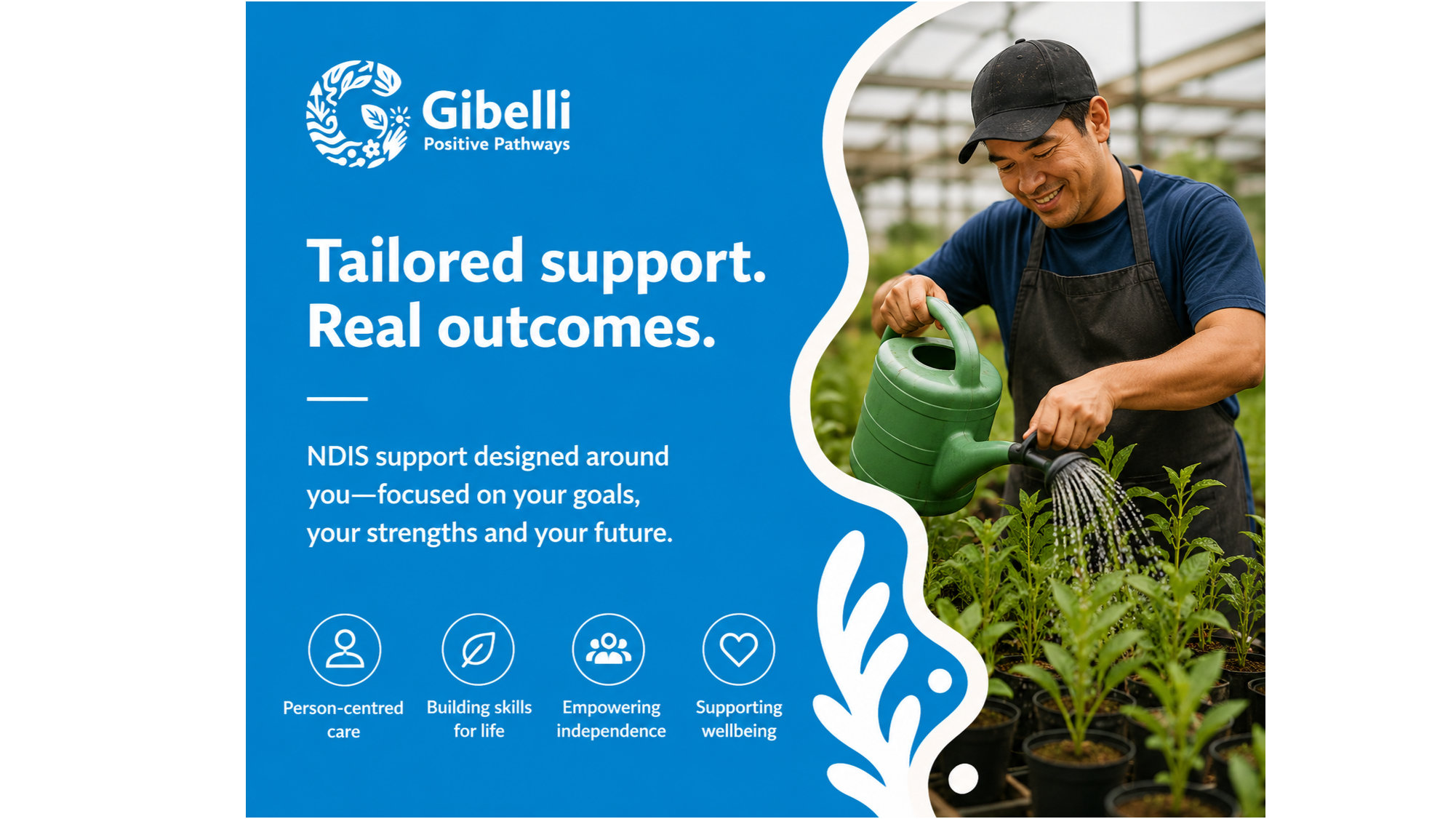
Too many NDIS Positive Behaviour Support plans end up sitting on a shelf. Truly effective care requires moving past the paperwork and into the room. Discover what active, hands-on upskilling looks like for families and care circles across Perth Metro.
Beyond the PDF: What Hands-On NDIS Behaviour Support Upskilling Actually Looks Like in Western Australia
It is an all-too-common frustration within the NDIS landscape: a Positive Behaviour Support (PBS) practitioner spends weeks conducting assessments, compiles a massive, 50-page clinical document, hands it over, and then disappears.
The family is left with a complex PDF filled with clinical jargon. The support workers are left trying to interpret academic strategies during a high-stress moment. The plan sits on a shelf, and the everyday reality for the participant doesn't change.
At Gibelli Positive Pathways, we believe a behaviour support plan is only as good as its real-world implementation. Clinical excellence cannot stop at the keyboard. For a plan to truly safeguard a participant’s rights and improve their quality of life, a practitioner must step past the paperwork and move into the room.
Here is what active, hands-on upskilling actually looks like under our model.
Moving From Theory to Live Co-Regulation
Writing down a reactive strategy is easy; coaching a care circle through a highly escalating situation in real time is where real progress happens. We don't expect families or support networks to become overnight clinical experts by reading a document.
Instead, our practitioners work side-by-side with your participant's care circle to transform theory into instinct:
Modeling in the Environment: We don't just explain how to implement environmental modifications or sensory adjustments—we physically show up at home, at school, or in the community to help set them up.
Active Co-Regulation Coaching: When a participant experiences sensory overload or distress, we coach support staff and family members on how to co-regulate rather than manage. This means focusing on safety, reducing neurological fatigue, and de-escalating through connection, not compliance.
Translating the Clinical into the Practical: We break down complex behavioral data into clear, actionable, daily rhythms that shift workers and family members can easily understand and repeat consistently.
Why Sustainable Capacity Dictates Results
Hands-on upskilling takes time, energy, and deep focus. A practitioner cannot deliver this level of dedicated care if they are exhausted by a massive caseload or drowning in travel times.
Because we strictly cap our active clinician files and strategically coordinate our mobile outreach across Perth Metro, the Northern Suburbs, and the Peel Region, our Western Australian team has the physical and mental availability to show up fully. We stay in the environment long enough to ensure the support network feels confident, capable, and supported.
When an entire care circle is upskilled correctly, the reliance on restrictive practices naturally drops, trust grows within the home, and the participant experiences a true, rights-based environment where they can thrive.
Partner With an Active, Direct Support Team in Western Australia
If you are a WA Support Coordinator tired of chasing providers who only deliver paperwork, or a family member seeking a stable, high-integrity provider who will work alongside you, our intake pipeline is open.
By actively monitoring our team’s regional availability, we bypass dead-end triage loops and indefinite waitlists. When we accept a referral, it is for immediate, direct practitioner assignment.
Ready to experience a streamlined, responsive intake process? Click below to initiate a direct clinical match through our secure portal.
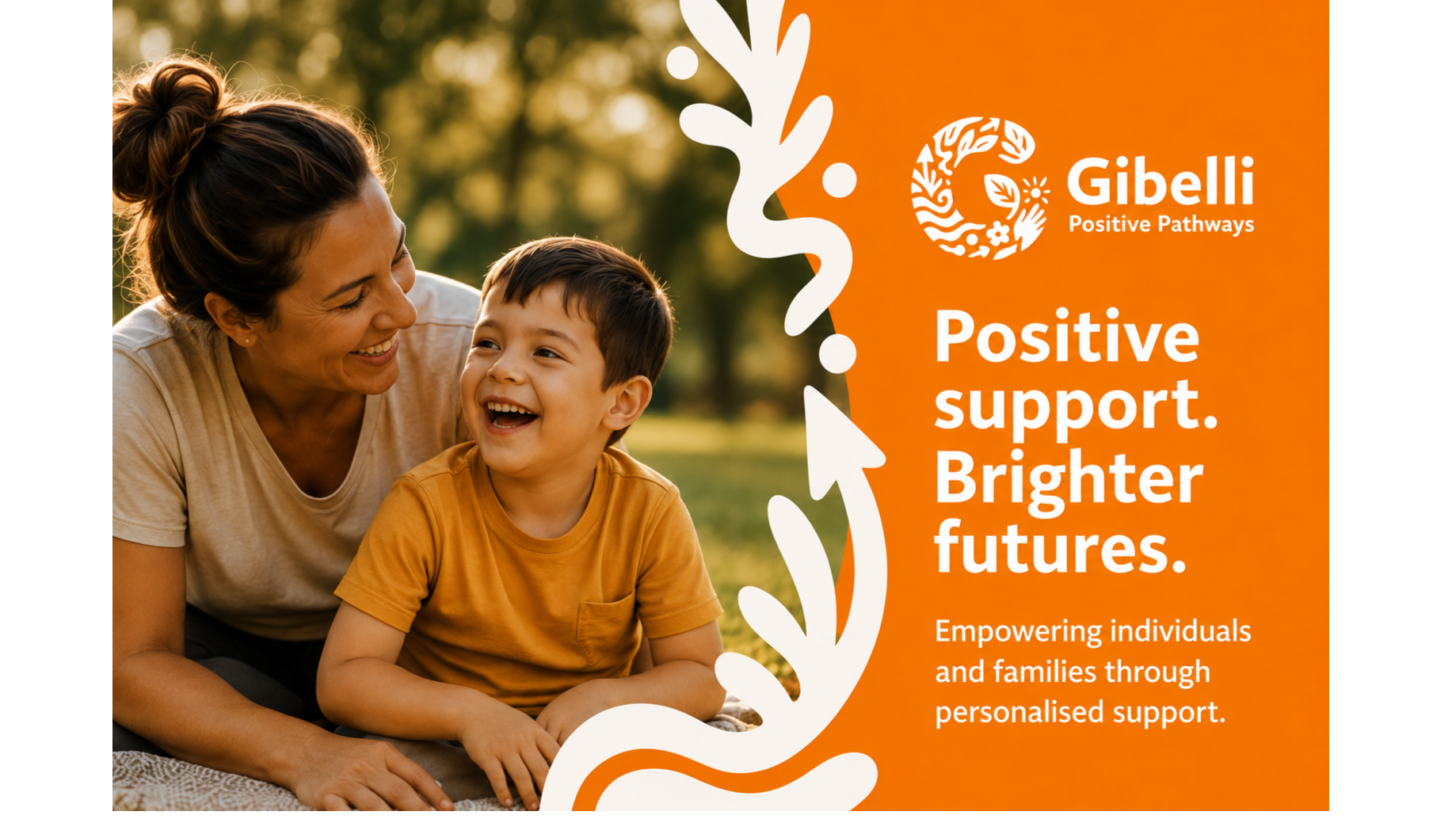
Too many NDIS Positive Behaviour Support plans end up sitting on a shelf. Truly effective care requires moving past the paperwork and into the room. Discover what active, hands-on upskilling looks like for families and care circles across Greater Sydney.
Beyond the PDF: What Hands-On NDIS Behaviour Support Upskilling Actually Looks Like in New South Wales
It is an all-too-common frustration within the NDIS landscape: a Positive Behaviour Support (PBS) practitioner spends weeks conducting assessments, compiles a massive, 50-page clinical document, hands it over, and then disappears.
The family is left with a complex PDF filled with clinical jargon. The support workers are left trying to interpret academic strategies during a high-stress moment. The plan sits on a shelf, and the everyday reality for the participant doesn't change.
At Gibelli Positive Pathways, we believe a behaviour support plan is only as good as its real-world implementation. Clinical excellence cannot stop at the keyboard. For a plan to truly safeguard a participant’s rights and improve their quality of life, a practitioner must step past the paperwork and move into the room.
Here is what active, hands-on upskilling actually looks like under our model.
Moving From Theory to Live Co-Regulation
Writing down a reactive strategy is easy; coaching a care circle through a highly escalating situation in real time is where real progress happens. We don't expect families or support networks to become overnight clinical experts by reading a document.
Instead, our practitioners work side-by-side with your participant's care circle to transform theory into instinct:
Modeling in the Environment: We don't just explain how to implement environmental modifications or sensory adjustments—we physically show up at home, at school, or in the community to help set them up.
Active Co-Regulation Coaching: When a participant experiences sensory overload or distress, we coach support staff and family members on how to co-regulate rather than manage. This means focusing on safety, reducing neurological fatigue, and de-escalating through connection, not compliance.
Translating the Clinical into the Practical: We break down complex behavioral data into clear, actionable, daily rhythms that shift workers and family members can easily understand and repeat consistently.
Why Sustainable Capacity Dictates Results
Hands-on upskilling takes time, energy, and deep focus. A practitioner cannot deliver this level of dedicated care if they are exhausted by a massive caseload or drowning in travel times.
Because we explicitly cap our active clinician files and strategically coordinate our mobile outreach across Greater Sydney, Western Sydney, and the Illawarra region, our New South Wales team has the physical and mental availability to show up fully. We stay in the environment long enough to ensure the support network feels confident, capable, and supported.
When an entire care circle is upskilled correctly, the reliance on restrictive practices naturally drops, trust grows within the home, and the participant experiences a true, rights-based environment where they can thrive.
Partner With an Active, Direct Support Team in New South Wales
If you are an NSW Support Coordinator tired of chasing providers who only deliver paperwork, or a family member seeking a stable, high-integrity provider who will work alongside you, our intake pipeline is open.
By actively monitoring our team’s regional availability, we bypass dead-end triage loops and indefinite waitlists. When we accept a referral, it is for immediate, direct practitioner assignment.
Ready to experience a streamlined, responsive intake process? Click below to initiate a direct clinical match through our secure portal.
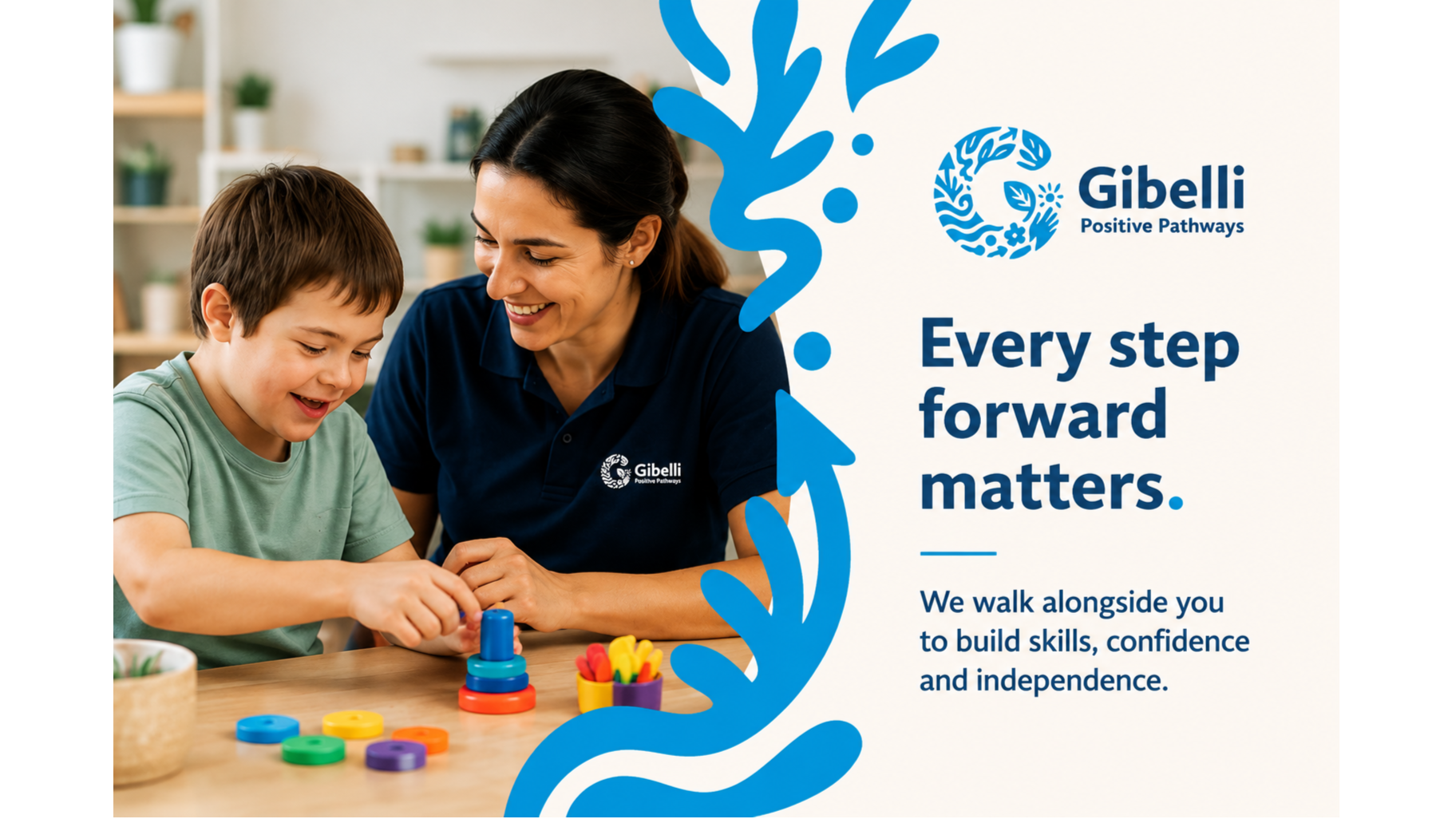
Too many NDIS Positive Behaviour Support plans end up sitting on a shelf. Truly effective care requires moving past the paperwork and into the room. Discover what active, hands-on upskilling looks like for Victorian families and care circles.
Beyond the PDF: What Hands-On NDIS Behaviour Support Upskilling Actually Looks Like in Victoria
It is an all-too-common frustration within the NDIS landscape: a Positive Behaviour Support (PBS) practitioner spends weeks conducting assessments, compiles a massive, 50-page clinical document, hands it over, and then disappears.
The family is left with a complex PDF filled with clinical jargon. The support workers are left trying to interpret academic strategies during a high-stress moment. The plan sits on a shelf, and the everyday reality for the participant doesn't change.
At Gibelli Positive Pathways, we believe a behaviour support plan is only as good as its real-world implementation. Clinical excellence cannot stop at the keyboard. For a plan to truly safeguard a participant’s rights and improve their quality of life, a practitioner must step past the paperwork and move into the room.
Here is what active, hands-on upskilling actually looks like under our model.
Moving From Theory to Live Co-Regulation
Writing down a reactive strategy is easy; coaching a care circle through a highly escalating situation in real time is where real progress happens. We don't expect families or support networks to become overnight clinical experts by reading a document.
Instead, our practitioners work side-by-side with your participant's care circle to transform theory into instinct:
Modeling in the Environment: We don't just explain how to implement environmental modifications or sensory adjustments—we physically show up at home, at school, or in the community to help set them up.
Active Co-Regulation Coaching: When a participant experiences sensory overload or distress, we coach support staff and family members on how to co-regulate rather than manage. This means focusing on safety, reducing neurological fatigue, and de-escalating through connection, not compliance.
Translating the Clinical into the Practical: We break down complex behavioral data into clear, actionable, daily rhythms that shift workers and family members can easily understand and repeat consistently.
Why Sustainable Capacity Dictates Results
Hands-on upskilling takes time, energy, and deep focus. A practitioner cannot deliver this level of dedicated care if they are exhausted by a massive caseload or drowning in travel times.
Because we strictly cap our active clinician files and strategically coordinate our mobile outreach across Melbourne Metro, the Mornington Peninsula, and Geelong, our team has the physical and mental availability to show up fully. We stay in the environment long enough to ensure the support network feels confident, capable, and supported.
When an entire care circle is upskilled correctly, the reliance on restrictive practices naturally drops, trust grows within the home, and the participant experiences a true, rights-based environment where they can thrive.
Partner With an Active, Direct Support Team in Victoria
If you are a Victorian Support Coordinator tired of chasing providers who only deliver paperwork, or a family member seeking a stable, high-integrity provider who will work alongside you, our intake pipeline is open.
By actively monitoring our team’s regional availability, we bypass dead-end triage loops and indefinite waitlists. When we accept a referral, it is for immediate, direct practitioner assignment.
Ready to experience a streamlined, responsive intake process? Click below to initiate a direct clinical match through our secure portal.
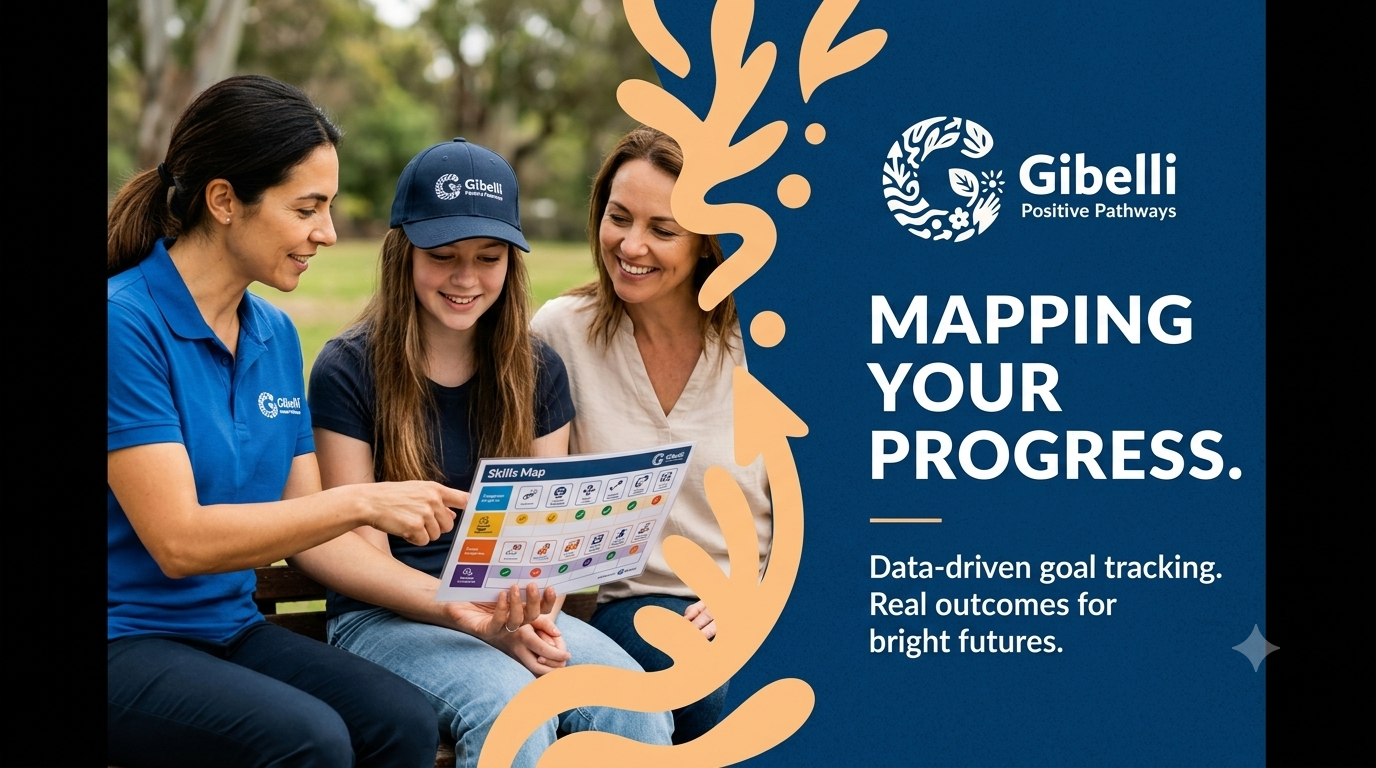
Too many NDIS Positive Behaviour Support plans end up sitting on a shelf. Truly effective care requires moving past the paperwork and into the room. Discover what active, hands-on upskilling looks like for South Australian families and care circles.
Beyond the PDF: What Hands-On NDIS Behaviour Support Upskilling Actually Looks Like
It is an all-too-common frustration within the NDIS landscape: a Positive Behaviour Support (PBS) practitioner spends weeks conducting assessments, compiles a massive, 50-page clinical document, hands it over, and then disappears.
The family is left with a complex PDF filled with clinical jargon. The support workers are left trying to interpret academic strategies during a high-stress moment. The plan sits on a shelf, and the everyday reality for the participant doesn't change.
At Gibelli Positive Pathways, we believe a behaviour support plan is only as good as its real-world implementation. Clinical excellence cannot stop at the keyboard. For a plan to truly safeguard a participant’s rights and improve their quality of life, a practitioner must step past the paperwork and move into the room.
Here is what active, hands-on upskilling actually looks like under our model.
Moving From Theory to Live Co-Regulation
Writing down a reactive strategy is easy; coaching a care circle through a highly escalating situation in real time is where real progress happens. We don't expect families or support networks to become overnight clinical experts by reading a document.
Instead, our practitioners work side-by-side with your participant's care circle to transform theory into instinct:
Modeling in the Environment: We don't just explain how to implement environmental modifications or sensory adjustments—we physically show up at home, at school, or in the community to help set them up.
Active Co-Regulation Coaching: When a participant experiences sensory overload or distress, we coach support staff and family members on how to co-regulate rather than manage. This means focusing on safety, reducing neurological fatigue, and de-escalating through connection, not compliance.
Translating the Clinical into the Practical: We break down complex behavioral data into clear, actionable, daily rhythms that shift workers and family members can easily understand and repeat consistently.
Why Sustainable Capacity Dictates Results
Hands-on upskilling takes time, energy, and deep focus. A practitioner cannot deliver this level of dedicated care if they are exhausted by a massive caseload or drowning in travel times.
Because we strictly cap our active clinician files and strategically coordinate our mobile outreach across the Adelaide Metro, the Northern Suburbs, and the Adelaide Hills, our team has the physical and mental availability to show up fully. We stay in the environment long enough to ensure the support network feels confident, capable, and supported.
When an entire care circle is upskilled correctly, the reliance on restrictive practices naturally drops, trust grows within the home, and the participant experiences a true, rights-based environment where they can thrive.
Partner With an Active, Direct Support Team in South Australia
If you are a South Australian Support Coordinator tired of chasing providers who only deliver paperwork, or a family member seeking a stable, high-integrity provider who will work alongside you, our intake pipeline is open.
By actively monitoring our team’s regional availability, we bypass dead-end triage loops and indefinite waitlists. When we accept a referral, it is for immediate, direct practitioner assignment.
Ready to move beyond the PDF and experience a streamlined, responsive intake process? Click below to initiate a direct clinical match through our secure portal.
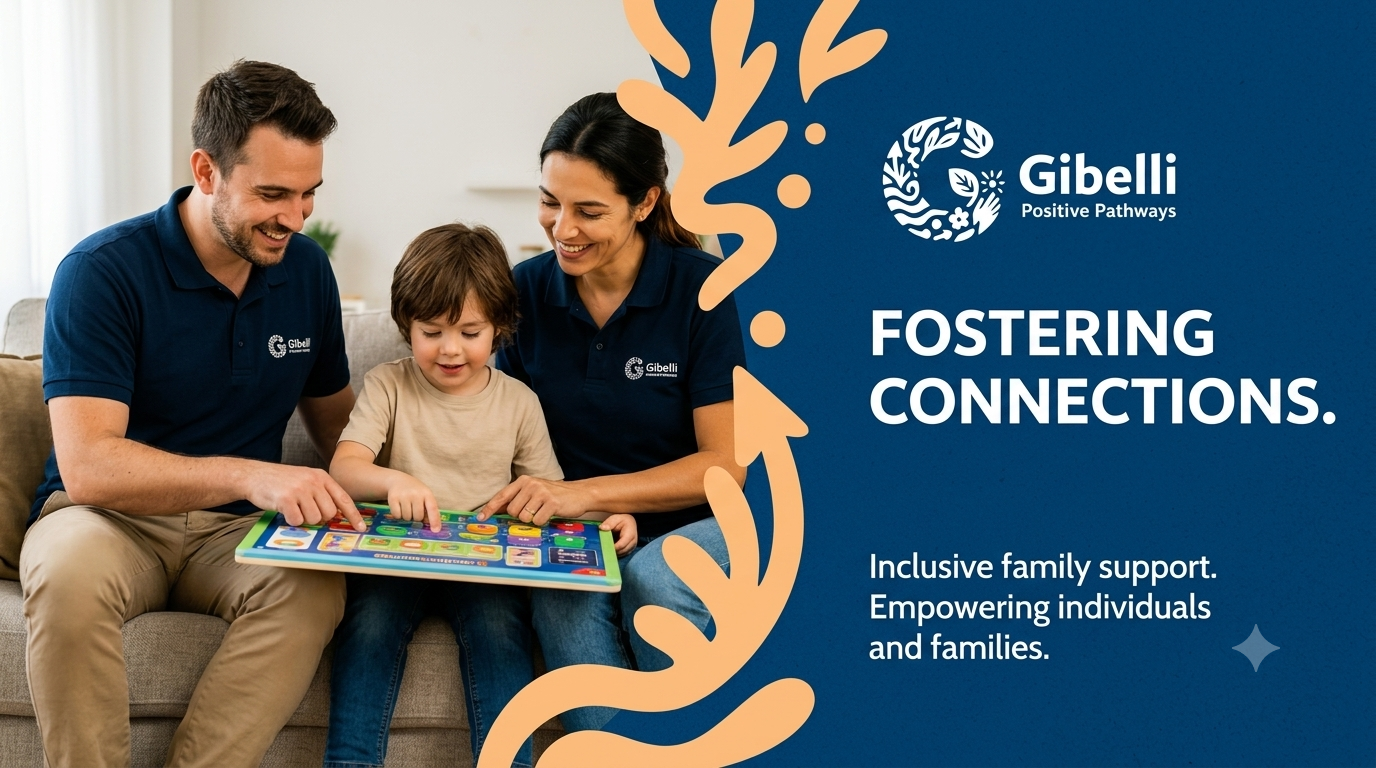
When looking for Positive Behaviour Support (PBS) within the New South Wales NDIS landscape, the phrase "neuro-affirming" comes up frequently. Truly neuro-affirming care turns the traditional framework upside down: instead of asking how to change the person, we ask how the environment must change to support them.
Beyond Compliance: What Truly Neuro-Affirming Behaviour Support Looks Like in New South Wales
When looking for Positive Behaviour Support (PBS) within the New South Wales NDIS landscape, the phrase "neuro-affirming" comes up frequently. But what does it actually mean in practice?
For a long time, traditional behavior support focused heavily on compliance—asking how to change, suppress, or modify a participant's behavior so they fit more quietly into the world around them.
At Gibelli Positive Pathways, we reject that old-school framework. Truly neuro-affirming care turns the question upside down. Instead of asking how to change the person, we ask: How must the environment change to support the person?
Flipping the Focus to the Environment
Behavior is communication. When an NDIS participant experiences distress, it is rarely an isolated "behavior issue." It is almost always a mismatch between a person's unique neurology and an environment that isn't built for them.
Our practitioner-led model focuses heavily on identifying and dismantling these external friction points through concrete, real-world adjustments:
Targeting Sensory Barriers: We deeply analyze the sensory landscape of the home, school, or community space. Minimizing overwhelming auditory, visual, or tactile triggers drastically reduces the neurological fatigue that leads to burnout and crisis.
Environmental Modifications: Rather than forcing a participant to adapt to a rigid routine, we help families and support networks restructure physical spaces and daily flows to maximize autonomy and predictability.
Hands-On Upskilling: We don't just write a plan and leave it on a shelf. We work side-by-side with care circles, teaching support teams how to co-regulate rather than manage, ensuring rights-based care becomes the daily standard.
Built for Autonomy, Not Control
Neuro-affirming PBS is rooted in a fundamental respect for human rights. It means acknowledging that a participant's neurodivergence is an inherent part of who they are, not a deficit to be cured.
When a practitioner operates from this headspace, the therapeutic relationship changes entirely. Trust replaces friction. Progress is measured by a participant's comfort, communication, and quality of life—not by how well they follow orders.
Because we explicitly cap our active clinician files and structure our mobile outreach across Greater Sydney, Western Sydney, and the Illawarra region, our New South Wales team actually has the dedicated mental capacity to do this deep, individualized work. We don't rush our assessments, and we don't rely on cookie-cutter strategies.
Secure Consistent, High-Integrity Care in New South Wales
If you are an NSW Support Coordinator looking to protect your participant’s momentum with a provider that respects their identity, or a family seeking a stable, affirming clinical match, our intake pipeline is open.
By actively balancing our team's capacity, we bypass the traditional triage loops and indefinite waitlists. When we accept a referral, we move directly to direct practitioner assignment.
Ready to experience a streamlined, responsive intake process? Click below to initiate a direct clinical match through our secure portal.
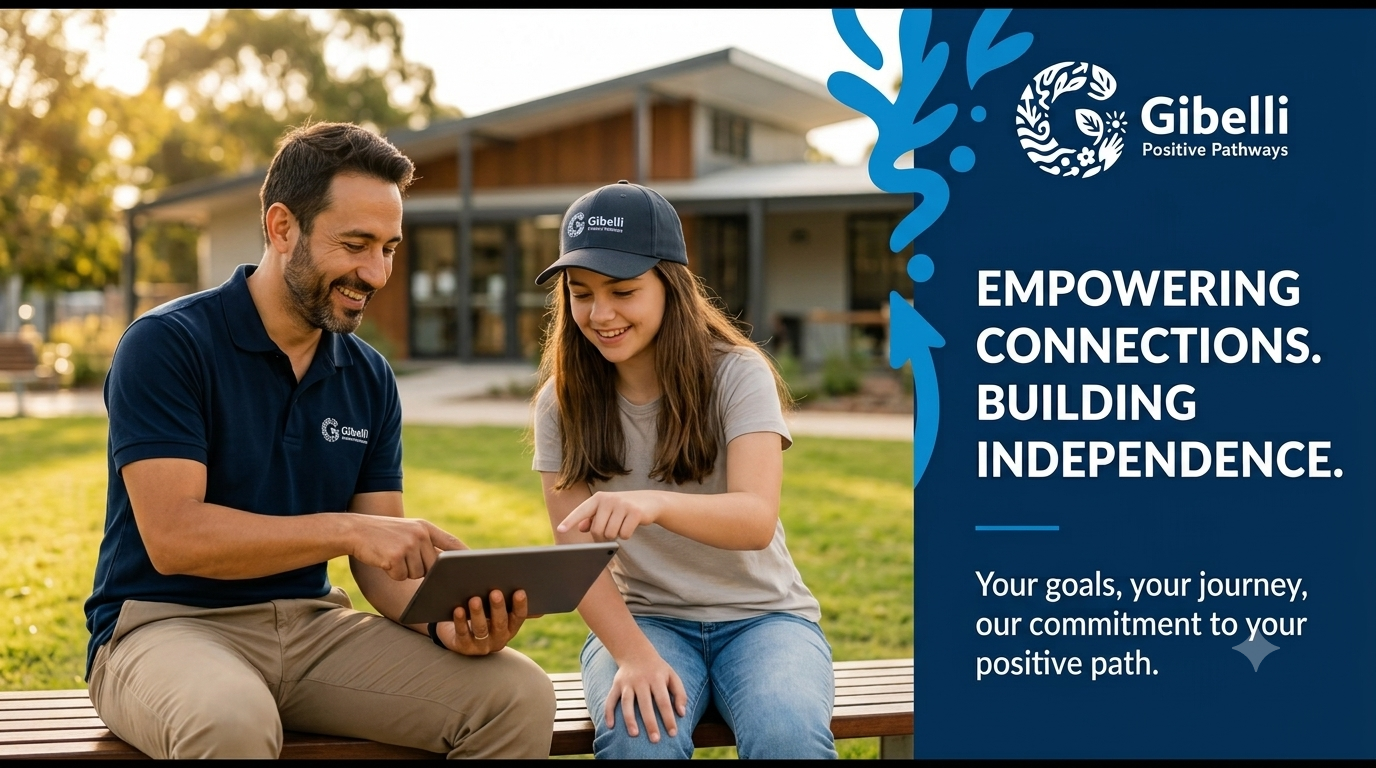
When looking for Positive Behaviour Support (PBS) within the Western Australian NDIS landscape, the phrase "neuro-affirming" comes up frequently. Truly neuro-affirming care turns the traditional framework upside down: instead of asking how to change the person, we ask how the environment must change to support them.
Beyond Compliance: What Truly Neuro-Affirming Behaviour Support Looks Like in Western Australia
When looking for Positive Behaviour Support (PBS) within the Western Australian NDIS landscape, the phrase "neuro-affirming" comes up frequently. But what does it actually mean in practice?
For a long time, traditional behavior support focused heavily on compliance—asking how to change, suppress, or modify a participant's behavior so they fit more quietly into the world around them.
At Gibelli Positive Pathways, we reject that old-school framework. Truly neuro-affirming care turns the question upside down. Instead of asking how to change the person, we ask: How must the environment change to support the person?
Flipping the Focus to the Environment
Behavior is communication. When an NDIS participant experiences distress, it is rarely an isolated "behavior issue." It is almost always a mismatch between a person's unique neurology and an environment that isn't built for them.
Our practitioner-led model focuses heavily on identifying and dismantling these external friction points through concrete, real-world adjustments:
Targeting Sensory Barriers: We deeply analyze the sensory landscape of the home, school, or community space. Minimizing overwhelming auditory, visual, or tactile triggers drastically reduces the neurological fatigue that leads to burnout and crisis.
Environmental Modifications: Rather than forcing a participant to adapt to a rigid routine, we help families and support networks restructure physical spaces and daily flows to maximize autonomy and predictability.
Hands-On Upskilling: We don't just write a plan and leave it on a shelf. We work side-by-side with care circles, teaching support teams how to co-regulate rather than manage, ensuring rights-based care becomes the daily standard.
Built for Autonomy, Not Control
Neuro-affirming PBS is rooted in a fundamental respect for human rights. It means acknowledging that a participant's neurodivergence is an inherent part of who they are, not a deficit to be cured.
When a practitioner operates from this headspace, the therapeutic relationship changes entirely. Trust replaces friction. Progress is measured by a participant's comfort, communication, and quality of life—not by how well they follow orders.
Because we explicitly cap our active clinician files and structure our mobile outreach across Perth Metro, the Northern Suburbs, and the Peel Region, our Western Australian team actually has the dedicated mental capacity to do this deep, individualized work. We don't rush our assessments, and we don't rely on cookie-cutter strategies.
Secure Consistent, High-Integrity Care in Western Australia
If you are a WA Support Coordinator looking to protect your participant’s momentum with a provider that respects their identity, or a family seeking a stable, affirming clinical match, our intake pipeline is open.
By actively balancing our team's capacity, we bypass the traditional triage loops and indefinite waitlists. When we accept a referral, we move directly to direct practitioner assignment.
Ready to experience a streamlined, responsive intake process? Click below to initiate a direct clinical match through our secure portal.
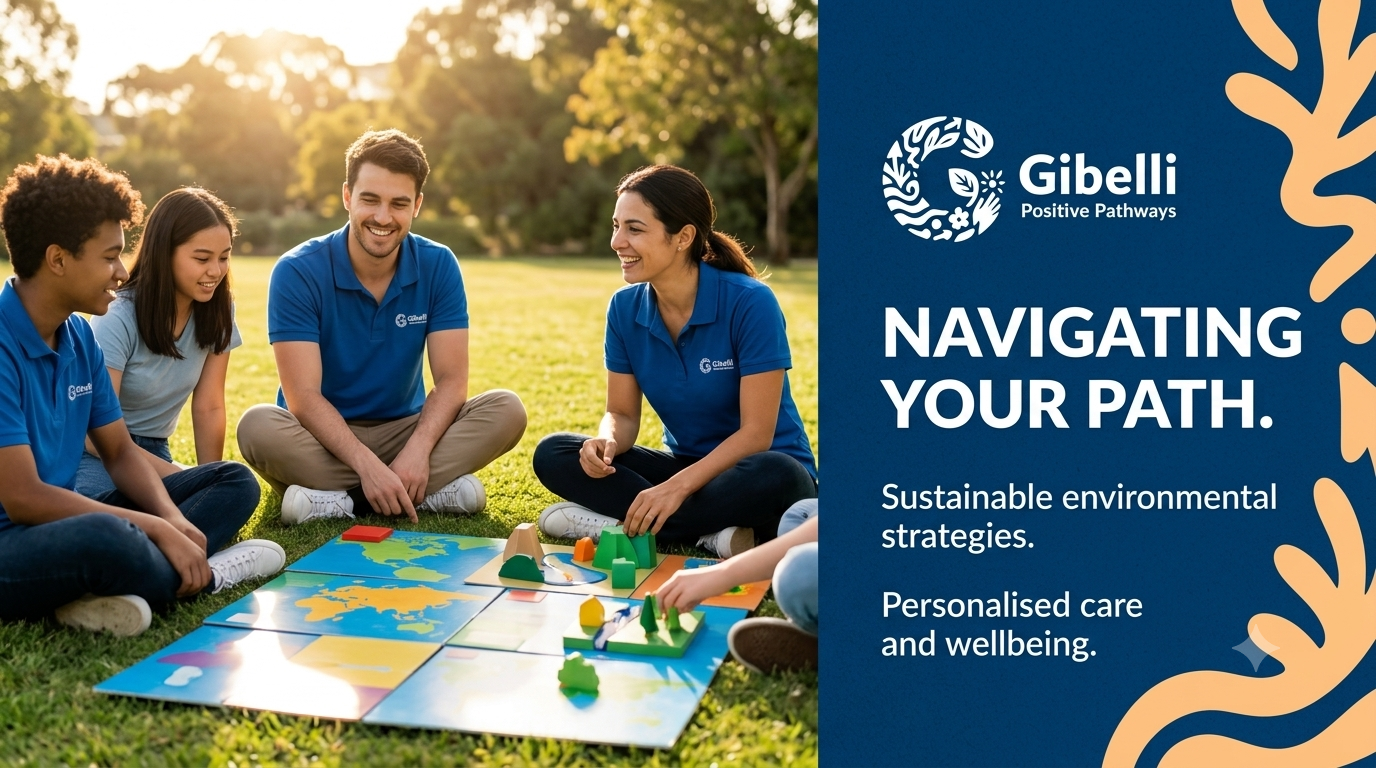
When looking for Positive Behaviour Support (PBS) within the Victorian NDIS landscape, the phrase "neuro-affirming" comes up frequently. Truly neuro-affirming care turns the traditional framework upside down: instead of asking how to change the person, we ask how the environment must change to support them.
Beyond Compliance: What Truly Neuro-Affirming Behaviour Support Looks Like in Victoria
When looking for Positive Behaviour Support (PBS) within the Victorian NDIS landscape, the phrase "neuro-affirming" comes up frequently. But what does it actually mean in practice?
For a long time, traditional behavior support focused heavily on compliance—asking how to change, suppress, or modify a participant's behavior so they fit more quietly into the world around them.
At Gibelli Positive Pathways, we reject that old-school framework. Truly neuro-affirming care turns the question upside down. Instead of asking how to change the person, we ask: How must the environment change to support the person?
Flipping the Focus to the Environment
Behavior is communication. When an NDIS participant experiences distress, it is rarely an isolated "behavior issue." It is almost always a mismatch between a person's unique neurology and an environment that isn't built for them.
Our practitioner-led model focuses heavily on identifying and dismantling these external friction points through concrete, real-world adjustments:
Targeting Sensory Barriers: We deeply analyze the sensory landscape of the home, school, or community space. Minimizing overwhelming auditory, visual, or tactile triggers drastically reduces the neurological fatigue that leads to burnout and crisis.
Environmental Modifications: Rather than forcing a participant to adapt to a rigid routine, we help families and support networks restructure physical spaces and daily flows to maximize autonomy and predictability.
Hands-On Upskilling: We don't just write a plan and leave it on a shelf. We work side-by-side with care circles, teaching support teams how to co-regulate rather than manage, ensuring rights-based care becomes the daily standard.
Built for Autonomy, Not Control
Neuro-affirming PBS is rooted in a fundamental respect for human rights. It means acknowledging that a participant's neurodivergence is an inherent part of who they are, not a deficit to be cured.
When a practitioner operates from this headspace, the therapeutic relationship changes entirely. Trust replaces friction. Progress is measured by a participant's comfort, communication, and quality of life—not by how well they follow orders.
Because we explicitly cap our active clinician files and structure our mobile outreach across Melbourne Metro, the Mornington Peninsula, and Geelong, our Victorian team actually has the dedicated mental capacity to do this deep, individualized work. We don't rush our assessments, and we don't rely on cookie-cutter strategies.
Secure Consistent, High-Integrity Care in Victoria
If you are a Victorian Support Coordinator looking to protect your participant’s momentum with a provider that respects their identity, or a family seeking a stable, affirming clinical match, our intake pipeline is open.
By actively balancing our team's capacity, we bypass the traditional triage loops and indefinite waitlists. When we accept a referral, we move directly to direct practitioner assignment.
Ready to experience a streamlined, responsive intake process? Click below to initiate a direct clinical match through our secure portal.
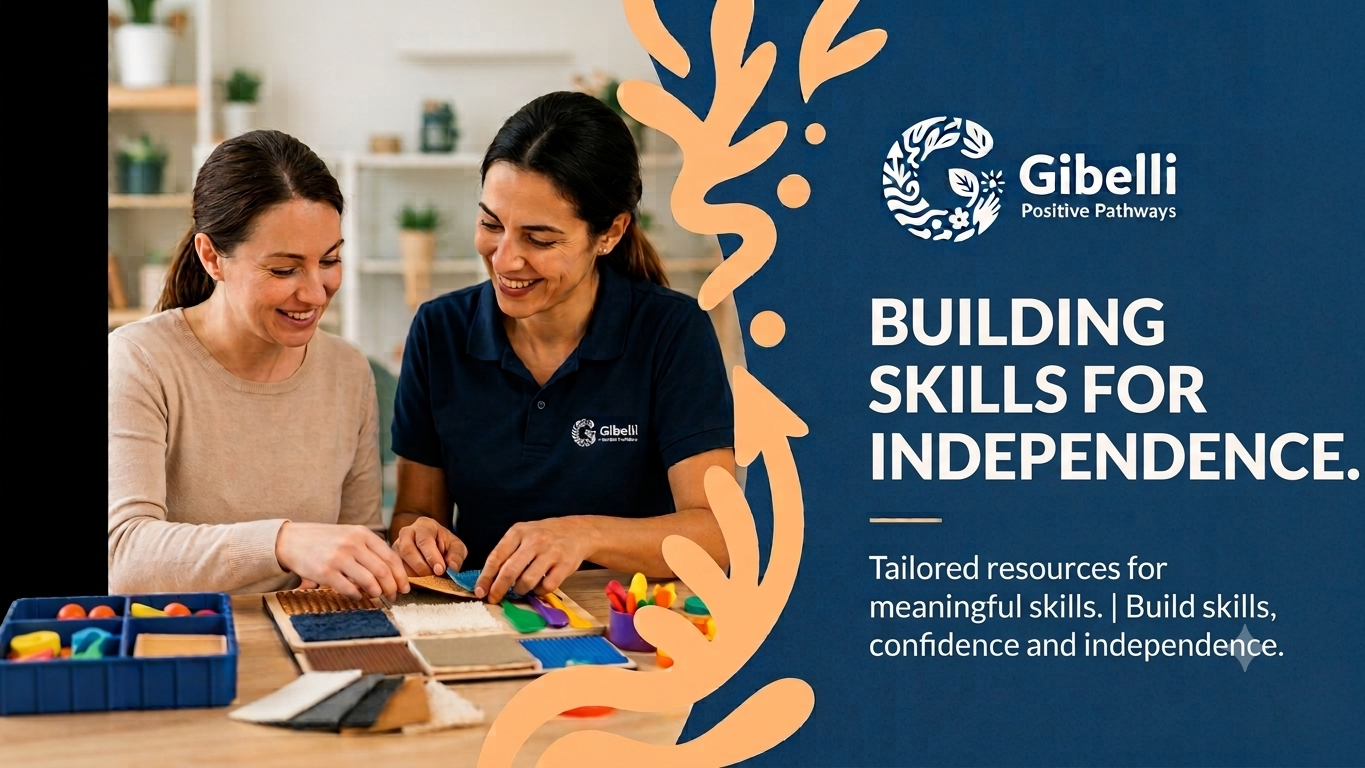
When looking for Positive Behaviour Support (PBS) within the South Australian NDIS landscape, the phrase "neuro-affirming" comes up frequently. But what does it actually mean in practice? Truly neuro-affirming care turns the traditional framework upside down: instead of asking how to change the person, we ask how the environment must change to support them.
Beyond Compliance: What Truly Neuro-Affirming Behaviour Support Looks Like
When looking for Positive Behaviour Support (PBS) within the South Australian NDIS landscape, the phrase "neuro-affirming" comes up frequently. But what does it actually mean in practice?
For a long time, traditional behavior support focused heavily on compliance—asking how to change, suppress, or modify a participant's behavior so they fit more quietly into the world around them.
At Gibelli Positive Pathways, we reject that old-school framework. Truly neuro-affirming care turns the question upside down. Instead of asking how to change the person, we ask: How must the environment change to support the person?
Flipping the Focus to the Environment
Behavior is communication. When an NDIS participant experiences distress, it is rarely an isolated "behavior issue." It is almost always a mismatch between a person's unique neurology and an environment that isn't built for them.
Our practitioner-led model focuses heavily on identifying and dismantling these external friction points through concrete, real-world adjustments:
Targeting Sensory Barriers: We deeply analyze the sensory landscape of the home, school, or community space. Minimizing overwhelming auditory, visual, or tactile triggers drastically reduces the neurological fatigue that leads to burnout and crisis.
Environmental Modifications: Rather than forcing a participant to adapt to a rigid routine, we help families and support networks restructure physical spaces and daily flows to maximize autonomy and predictability.
Hands-On Upskilling: We don't just write a plan and leave it on a shelf. We work side-by-side with care circles, teaching support teams how to co-regulate rather than manage, ensuring rights-based care becomes the daily standard.
Built for Autonomy, Not Control
Neuro-affirming PBS is rooted in a fundamental respect for human rights. It means acknowledging that a participant's neurodivergence is an inherent part of who they are, not a deficit to be cured.
When a practitioner operates from this headspace, the therapeutic relationship changes entirely. Trust replaces friction. Progress is measured by a participant's comfort, communication, and quality of life—not by how well they follow orders.
Because we explicitly cap our active clinician files and structure our mobile outreach across the Adelaide Metro, the Northern Suburbs, and the Adelaide Hills, our South Australian team actually has the dedicated mental capacity to do this deep, individualized work. We don't rush our assessments, and we don't rely on cookie-cutter strategies.
Secure Consistent, High-Integrity Care in South Australia
If you are a South Australian Support Coordinator looking to protect your participant’s momentum with a provider that respects their identity, or a family seeking a stable, affirming clinical match, our intake pipeline is open.
By actively balancing our team's capacity, we bypass the traditional triage loops and indefinite waitlists. When we accept a referral, we move directly to direct practitioner assignment.
Ready to experience a streamlined, responsive intake process? Click below to initiate a direct clinical match through our secure portal.
Gibelli Positive Pathways is setting a new benchmark for Positive Behaviour Support in Melbourne. Discover how our vision for growth is driven by clinical excellence, neuro-affirming values, and a commitment to providing reliable, high-standard support at scale.
Elevating the Standard: Our Vision for Positive Behaviour Support
A New Benchmark for Melbourne
The NDIS landscape is evolving, and with it, the expectations for high-quality Positive Behaviour Support are rising. At Gibelli Positive Pathways, we founded our practice with a clear goal: to bridge the gap between large-scale accessibility and high-level clinical integrity.
As we continue to expand our footprint across Melbourne’s north and west, our focus remains on building a robust, reliable service that families and Support Coordinators can depend on for the long term.
Scale Powered by Clinical Excellence
Growth at Gibelli is not just about numbers; it’s about increasing the reach of neuro-affirming, evidence-based practice. We are building a team and an infrastructure designed to provide:
Professional Leadership: Our practitioners are supported by senior clinical frameworks, ensuring that as we grow, the quality of our Behaviour Support Plans remains elite.
Responsive Capacity: We understand the frustration of long waitlists. Our growth strategy is focused on creating sustainable capacity so we can support more families across Melbourne when they need us most.
A Rights-Based Framework: We are setting a new standard for how behaviour support is delivered—moving away from traditional compliance-based models toward support that honors autonomy and neurodivergence.
Expanding Our Impact
Our journey is fueled by the success of the participants we support. By expanding our team and our reach, we are able to invest more into clinical resources, practitioner development, and advocacy efforts that benefit the entire Melbourne community.
We are proud to be a growing force in the Victorian disability sector, committed to delivering professional, human-centered support at scale.
Partner With a Leading Provider
We are currently welcoming new referrals across Melbourne’s North and West. If you are looking for a provider with the vision to lead and the clinical expertise to deliver, we invite you to connect with us.
Submit a Melbourne Referral Here