
NDIS Positive Behaviour Support Insights | Gibelli Positive Pathways
Providing mobile PBS and Functional Behaviour Assessments to families across Victoria, New South Wales, South Australia, and Western Australia. While we support participants across multiple states, we are currently offering priority mobile capacity in Melbourne’s Western suburbs, including Melton, Werribee, and the Wyndham corridor.
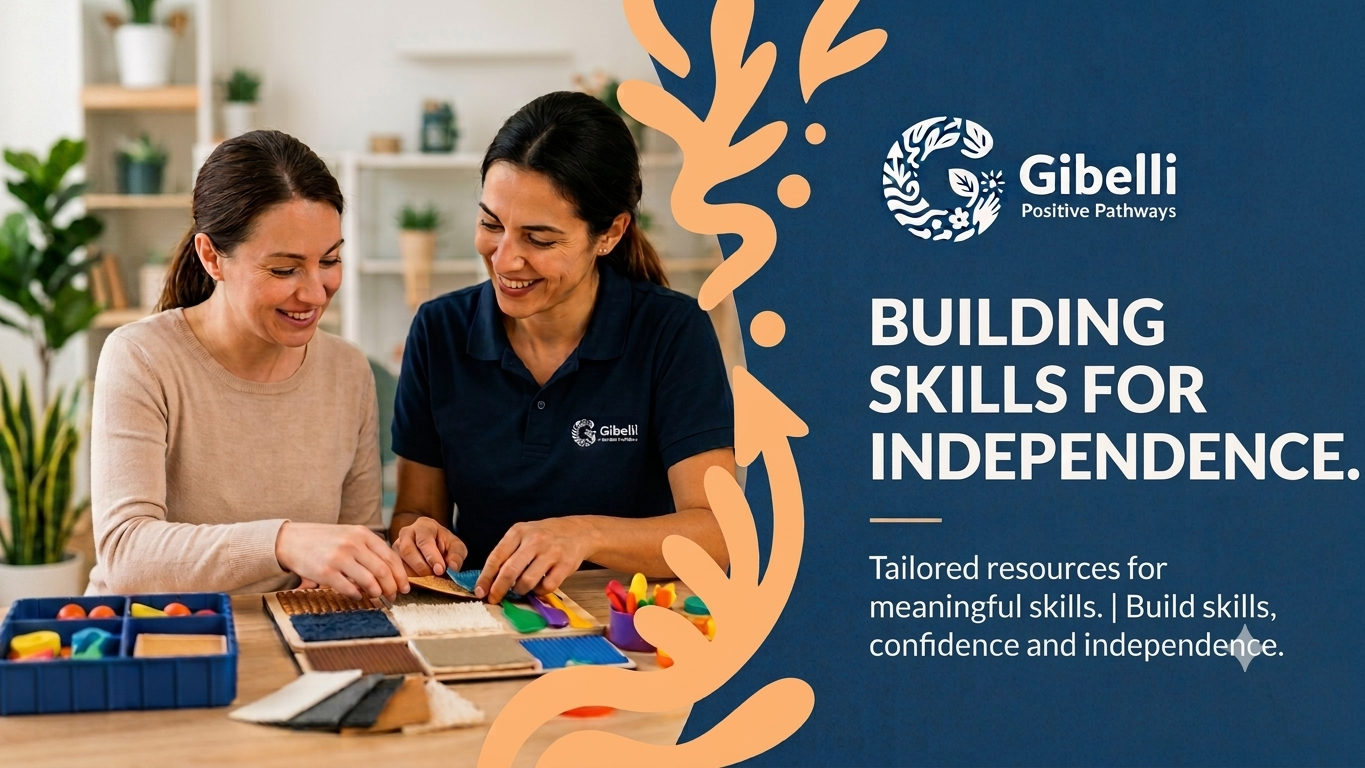
Discover how mobile Positive Behaviour Support (PBS) helps NDIS participants across Western Sydney (Oakhurst, Blacktown, Penrith, Parramatta) build functional communication, reduce restrictive practices, and strengthen autonomy.
Building Communication & Autonomy Across Greater Sydney: Person-Centered NDIS Behaviour Support
For neurodivergent individuals and NDIS participants navigating complex sensory environments or daily stressors, expressing needs, making choices, and maintaining personal control are vital to overall well-being. When functional communication channels are limited or misunderstood, frustration can manifest as behaviours of concern.
At Gibelli Positive Pathways, our Specialist Positive Behaviour Support (PBS) is designed to build capability rather than control behavior. By taking a practitioner-led, mobile approach directly into homes, schools, workplaces, and community spaces across Greater Sydney and Western Sydney, we help participants establish practical communication tools and self-regulation strategies where they matter most.
Why Functional Communication Drives Positive Outcomes
A core pillar of a comprehensive Functional Behaviour Assessment (FBA) is understanding the primary function behind a behavior. Often, challenging situations arise because an individual lacks an effective, accessible way to communicate discomfort, request a break, or express a boundary.
By working directly in real-world environments across New South Wales, our practitioners evaluate unique situational triggers and introduce proactive communication alternatives:
In the Home: Implementing low-tech or high-tech Augmentative and Alternative Communication (AAC) supports, visual schedules, and predictability tools that reduce daily anxiety for the participant and family.
At School, TAFE, or Work: Partnering with teachers and supervisors to adapt the physical environment and support the participant in self-advocating for breaks or sensory adjustments.
In Community & Social Settings: Building practical confidence in local settings across Sydney so participants can navigate social interactions safely and autonomously.
Key Takeaway: When participants gain accessible methods to express their choices and boundaries, reliance on behaviours of concern naturally decreases, fostering long-term independence and dignity.
Rights-Based Care That Respects Neurodivergence
Our clinical approach remains firmly rooted in neuro-affirming and human-rights-focused principles. We do not focus on compliance, forcing eye contact, or suppressing harmless stimming. Instead, our clinical focus includes:
Uncovering Root Causes: Addressing underlying sensory overload, fatigue, or unaddressed environmental stress.
Replacing Restrictive Practices: Substituting restrictive measures with proactive environmental adjustments, skill development, and functional communication tools.
Empowering Choice: Putting participant preferences, goals, and self-determination at the heart of every Behaviour Support Plan (BSP).
Active Capacity Across Western Sydney & Greater Sydney Corridors
We maintain dedicated practitioner capacity anchored in Western Sydney, providing responsive intake with minimal waiting times for Support Coordinators and Plan Managers:
Western Sydney & Outer West Hub (Oakhurst): Mobile coverage across Oakhurst, Mount Druitt, Blacktown, Plumpton, St Marys, Penrith, Marsden Park, Parramatta, and surrounding Western Sydney corridors.
Services Available Across Sydney:
Positive Behaviour Support (Interim & Comprehensive BSPs, FBAs, and Restrictive Practice Panel submissions)
Stakeholder & Carer Training (Coaching support workers and families to implement strategy plans safely and effectively)
Make a Referral in Under 2 Minutes
If you are a Support Coordinator looking for a responsive clinical partner or a family member seeking compassionate, rights-based support, getting started is simple. Our clinical intake team reviews all requests promptly to ensure a smooth transition into care.
👉 Click here to complete our secure NDIS Referral Form
Have questions before referring? Contact our intake team at info@gibellipositivepathways.com.au or call us on 1300 090 468.
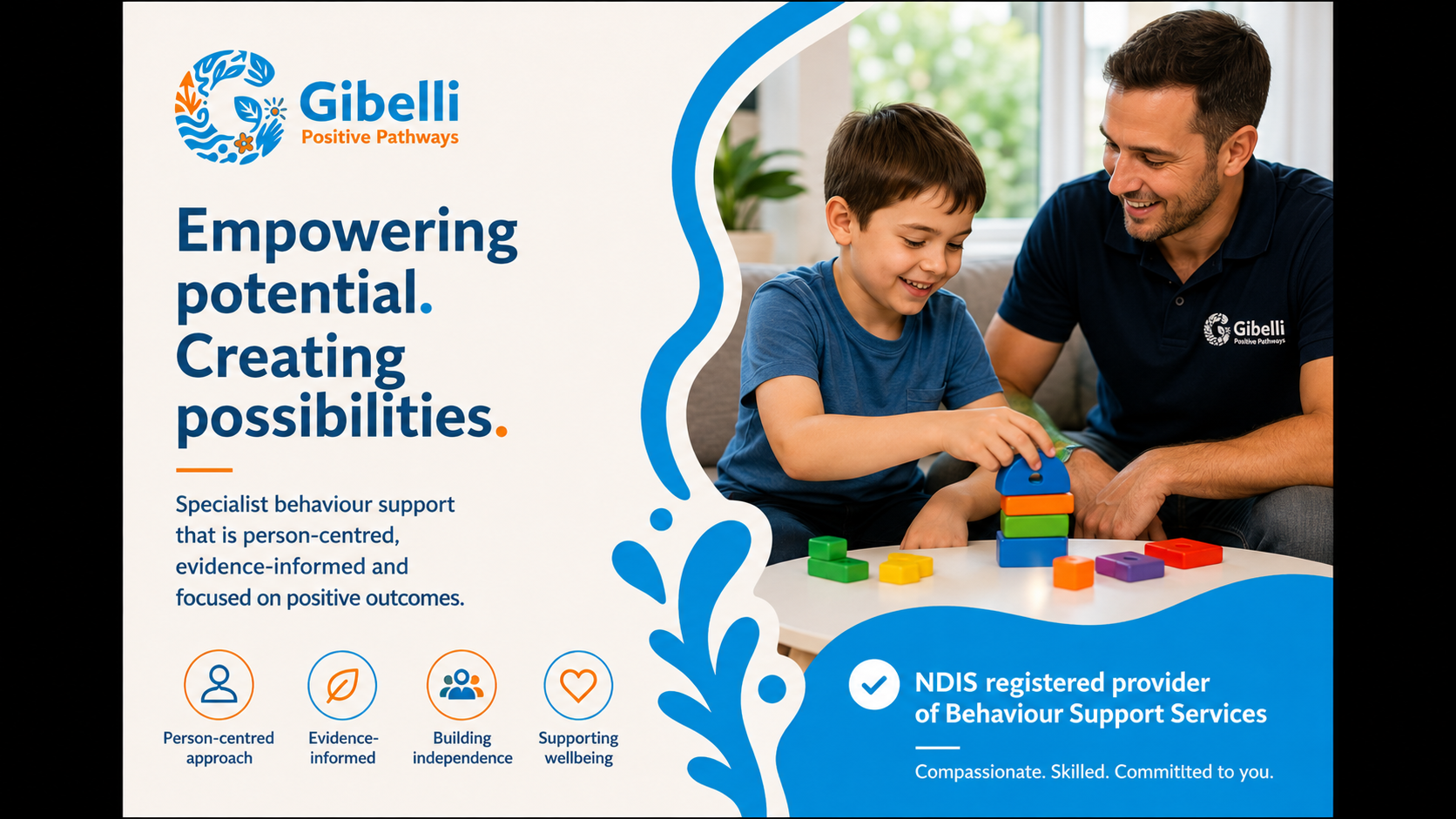
Discover how mobile Positive Behaviour Support (PBS) helps NDIS participants across Adelaide, Marion, Salisbury, and Mount Barker build functional communication, reduce restrictive practices, and strengthen autonomy.
Building Communication & Autonomy Across Adelaide & Greater SA: Person-Centered NDIS Behaviour Support
For neurodivergent individuals and NDIS participants navigating complex sensory environments or daily stressors, expressing needs, making choices, and maintaining personal control are vital to overall well-being. When functional communication channels are limited or misunderstood, frustration can manifest as behaviours of concern.
At Gibelli Positive Pathways, our Specialist Positive Behaviour Support (PBS) is designed to build capability rather than control behavior. By taking a practitioner-led, mobile approach directly into homes, schools, workplaces, and community spaces across Greater Adelaide and regional South Australia, we help participants establish practical communication tools and self-regulation strategies where they matter most.
Why Functional Communication Drives Positive Outcomes
A core pillar of a comprehensive Functional Behaviour Assessment (FBA) is understanding the primary function behind a behavior. Often, challenging situations arise because an individual lacks an effective, accessible way to communicate discomfort, request a break, or express a boundary.
By working directly in real-world environments across South Australia, our practitioners evaluate unique situational triggers and introduce proactive communication alternatives:
In the Home: Implementing low-tech or high-tech Augmentative and Alternative Communication (AAC) supports, visual schedules, and predictability tools that reduce daily anxiety for the participant and family.
At School, TAFE, or Work: Partnering with teachers and supervisors to adapt the physical environment and support the participant in self-advocating for breaks or sensory adjustments.
In Community & Social Settings: Building practical confidence in local settings across Adelaide and regional SA so participants can navigate social interactions safely and autonomously.
Key Takeaway: When participants gain accessible methods to express their choices and boundaries, reliance on behaviours of concern naturally decreases, fostering long-term independence and dignity.
Rights-Based Care That Respects Neurodivergence
Our clinical approach remains firmly rooted in neuro-affirming and human-rights-focused principles. We do not focus on compliance, forcing eye contact, or suppressing harmless stimming. Instead, our clinical focus includes:
Uncovering Root Causes: Addressing underlying sensory overload, fatigue, or unaddressed environmental stress.
Replacing Restrictive Practices: Substituting restrictive measures with proactive environmental adjustments, skill development, and functional communication tools.
Empowering Choice: Putting participant preferences, goals, and self-determination at the heart of every Behaviour Support Plan (BSP).
Active Capacity Across Greater Adelaide & Regional South Australia
We maintain active practitioner capacity across key South Australian corridors, allowing for responsive intake and minimal wait times for Support Coordinators and Plan Managers:
Greater Adelaide Metropolitan Area: Northern, Southern, Eastern, Western, and Adelaide Hills corridors (including Salisbury, Elizabeth, Marion, Port Adelaide, Mount Barker, and surrounding hubs).
Regional Hubs: Key regional SA communities and surrounding areas.
Services Available Across SA:
Positive Behaviour Support (Interim & Comprehensive BSPs, FBAs, and Restrictive Practice Panel submissions)
Stakeholder & Carer Training (Coaching support workers and families to implement strategy plans safely and effectively)
Make a Referral in Under 2 Minutes
If you are a Support Coordinator looking for a responsive clinical partner or a family member seeking compassionate, rights-based support, getting started is simple. Our clinical intake team reviews all requests promptly to ensure a smooth transition into care.
👉 Click here to complete our secure NDIS Referral Form
Have questions before referring? Contact our intake team at info@gibellipositivepathways.com.au or call us on 1300 090 468.
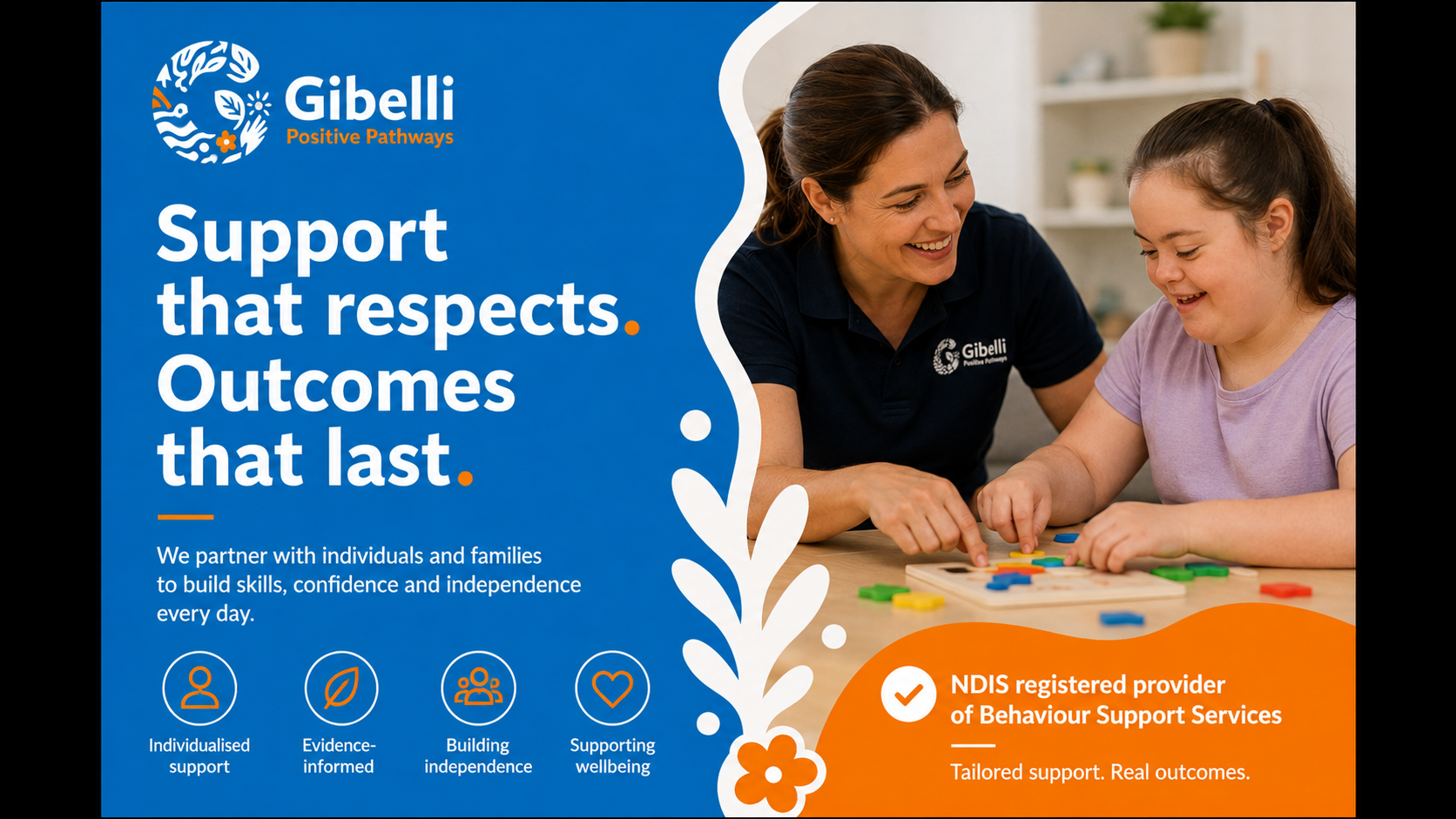
Discover how mobile Positive Behaviour Support (PBS) helps NDIS participants across Perth, Joondalup, Rockingham, and Mandurah build functional communication, reduce restrictive practices, and strengthen autonomy.
Building Communication & Autonomy Across Perth & Greater WA: Person-Centered NDIS Behaviour Support
For neurodivergent individuals and NDIS participants navigating complex sensory environments or daily stressors, expressing needs, making choices, and maintaining personal control are vital to overall well-being. When functional communication channels are limited or misunderstood, frustration can manifest as behaviours of concern.
At Gibelli Positive Pathways, our Specialist Positive Behaviour Support (PBS) is designed to build capability rather than control behavior. By taking a practitioner-led, mobile approach directly into homes, schools, workplaces, and community spaces across Greater Perth and regional Western Australia, we help participants establish practical communication tools and self-regulation strategies where they matter most.
Why Functional Communication Drives Positive Outcomes
A core pillar of a comprehensive Functional Behaviour Assessment (FBA) is understanding the primary function behind a behavior. Often, challenging situations arise because an individual lacks an effective, accessible way to communicate discomfort, request a break, or express a boundary.
By working directly in real-world environments across Western Australia, our practitioners evaluate unique situational triggers and introduce proactive communication alternatives:
In the Home: Implementing low-tech or high-tech Augmentative and Alternative Communication (AAC) supports, visual schedules, and predictability tools that reduce daily anxiety for the participant and family.
At School, TAFE, or Work: Partnering with teachers and supervisors to adapt the physical environment and support the participant in self-advocating for breaks or sensory adjustments.
In Community & Social Settings: Building practical confidence in local settings across Perth and regional WA so participants can navigate social interactions safely and autonomously.
Key Takeaway: When participants gain accessible methods to express their choices and boundaries, reliance on behaviours of concern naturally decreases, fostering long-term independence and dignity.
Rights-Based Care That Respects Neurodivergence
Our clinical approach remains firmly rooted in neuro-affirming and human-rights-focused principles. We do not focus on compliance, forcing eye contact, or suppressing harmless stimming. Instead, our clinical focus includes:
Uncovering Root Causes: Addressing underlying sensory overload, fatigue, or unaddressed environmental stress.
Replacing Restrictive Practices: Substituting restrictive measures with proactive environmental adjustments, skill development, and functional communication tools.
Empowering Choice: Putting participant preferences, goals, and self-determination at the heart of every Behaviour Support Plan (BSP).
Active Capacity Across Greater Perth & Regional Western Australia
We maintain active practitioner capacity across key Western Australian corridors, allowing for responsive intake and minimal wait times for Support Coordinators and Plan Managers:
Greater Perth Metropolitan Area: Northern, Southern, Eastern, and Central corridors (including Joondalup, Stirling, Perth CBD, Fremantle, Rockingham, and Mandurah).
Regional Hubs: Key regional WA communities and surrounding areas.
Services Available Across WA:
Positive Behaviour Support (Interim & Comprehensive BSPs, FBAs, and Restrictive Practice Panel submissions)
Stakeholder & Carer Training (Coaching support workers and families to implement strategy plans safely and effectively)
Make a Referral in Under 2 Minutes
If you are a Support Coordinator looking for a responsive clinical partner or a family member seeking compassionate, rights-based support, getting started is simple. Our clinical intake team reviews all requests promptly to ensure a smooth transition into care.
👉 Click here to complete our secure NDIS Referral Form
Have questions before referring? Contact our intake team at info@gibellipositivepathways.com.au or call us on 1300 090 468.
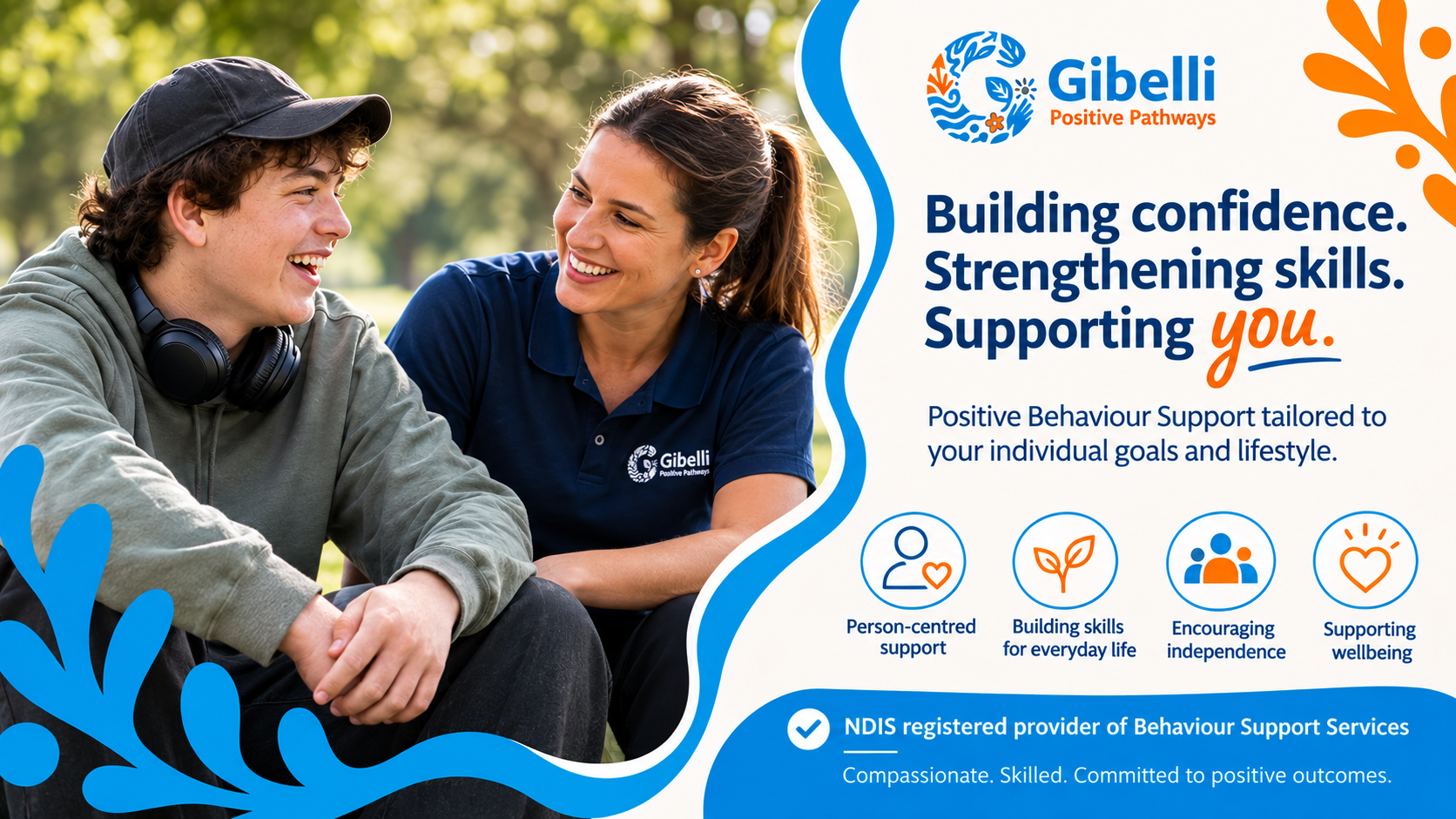
Discover how mobile Positive Behaviour Support (PBS) helps NDIS participants across Brisbane, the Gold Coast, Logan, and Western Brisbane build functional communication, reduce restrictive practices, and strengthen autonomy.
Building Communication & Autonomy Across Greater Brisbane, Gold Coast, Logan & Western Suburbs: Person-Centered NDIS Behaviour Support
For neurodivergent individuals and NDIS participants navigating complex sensory environments or daily stressors, expressing needs, making choices, and maintaining personal control are vital to overall well-being. When functional communication channels are limited or misunderstood, frustration can manifest as behaviours of concern.
At Gibelli Positive Pathways, our Specialist Positive Behaviour Support (PBS) is designed to build capability rather than control behavior. By taking a practitioner-led, mobile approach directly into homes, schools, workplaces, and community spaces across Greater Brisbane, the Gold Coast, Logan, and the Western Suburbs, we help participants establish practical communication tools and self-regulation strategies where they matter most.
Why Functional Communication Drives Positive Outcomes
A core pillar of a comprehensive Functional Behaviour Assessment (FBA) is understanding the primary function behind a behavior. Often, challenging situations arise because an individual lacks an effective, accessible way to communicate discomfort, request a break, or express a boundary.
By working directly in real-world environments across South East Queensland, our practitioners evaluate unique situational triggers and introduce proactive communication alternatives:
In the Home: Implementing low-tech or high-tech Augmentative and Alternative Communication (AAC) supports, visual schedules, and predictability tools that reduce daily anxiety for the participant and family.
At School, TAFE, or Work: Partnering with teachers and supervisors to adapt the physical environment and support the participant in self-advocating for breaks or sensory adjustments.
In Community & Social Settings: Building practical confidence in local settings across Brisbane, the Gold Coast, and surrounding corridors so participants can navigate social interactions safely and autonomously.
Key Takeaway: When participants gain accessible methods to express their choices and boundaries, reliance on behaviours of concern naturally decreases, fostering long-term independence and dignity.
Rights-Based Care That Respects Neurodivergence
Our clinical approach remains firmly rooted in neuro-affirming and human-rights-focused principles. We do not focus on compliance, forcing eye contact, or suppressing harmless stimming. Instead, our clinical focus includes:
Uncovering Root Causes: Addressing underlying sensory overload, fatigue, or unaddressed environmental stress.
Replacing Restrictive Practices: Substituting restrictive measures with proactive environmental adjustments, skill development, and functional communication tools.
Empowering Choice: Putting participant preferences, goals, and self-determination at the heart of every Behaviour Support Plan (BSP).
Active Capacity Across Greater Brisbane, Gold Coast & Key Queensland Corridors
We maintain active practitioner capacity anchored across key Queensland hubs, providing responsive intake with minimal waiting times for Support Coordinators and Plan Managers:
Brisbane South & East Hub (Carindale): Servicing Carindale, Mount Gravatt, Wynnum, Capalaba, Coorparoo, and surrounding Brisbane South/East suburbs.
Logan & Southern Growth Corridor Hub (Park Ridge): Servicing Park Ridge, Browns Plains, Springwood, Loganholme, Greenbank, and surrounding Logan corridors.
Centenary & Western Suburbs Hub (Moggill): Servicing Moggill, Bellbowrie, Kenmore, Jindalee, Ipswich corridors, and surrounding Western Brisbane suburbs.
Gold Coast & Hinterland Corridor: Servicing Northern Gold Coast (Coomera, Helensvale, Pimpama), Central Gold Coast (Robina, Surfers Paradise), and surrounding hinterland communities.
Services Available Across QLD:
Positive Behaviour Support (Interim & Comprehensive BSPs, FBAs, and Restrictive Practice Panel submissions)
Stakeholder & Carer Training (Coaching support workers and families to implement strategy plans safely and effectively)
Make a Referral in Under 2 Minutes
If you are a Support Coordinator seeking a reliable clinical partner or a family member looking for compassionate, rights-focused community-based support, getting started is simple. Our clinical intake team reviews all requests promptly to ensure a smooth transition into care.
👉 Click here to complete our secure NDIS Referral Form
Have questions before referring? Contact our intake team at info@gibellipositivepathways.com.au or call us on 1300 090 468.
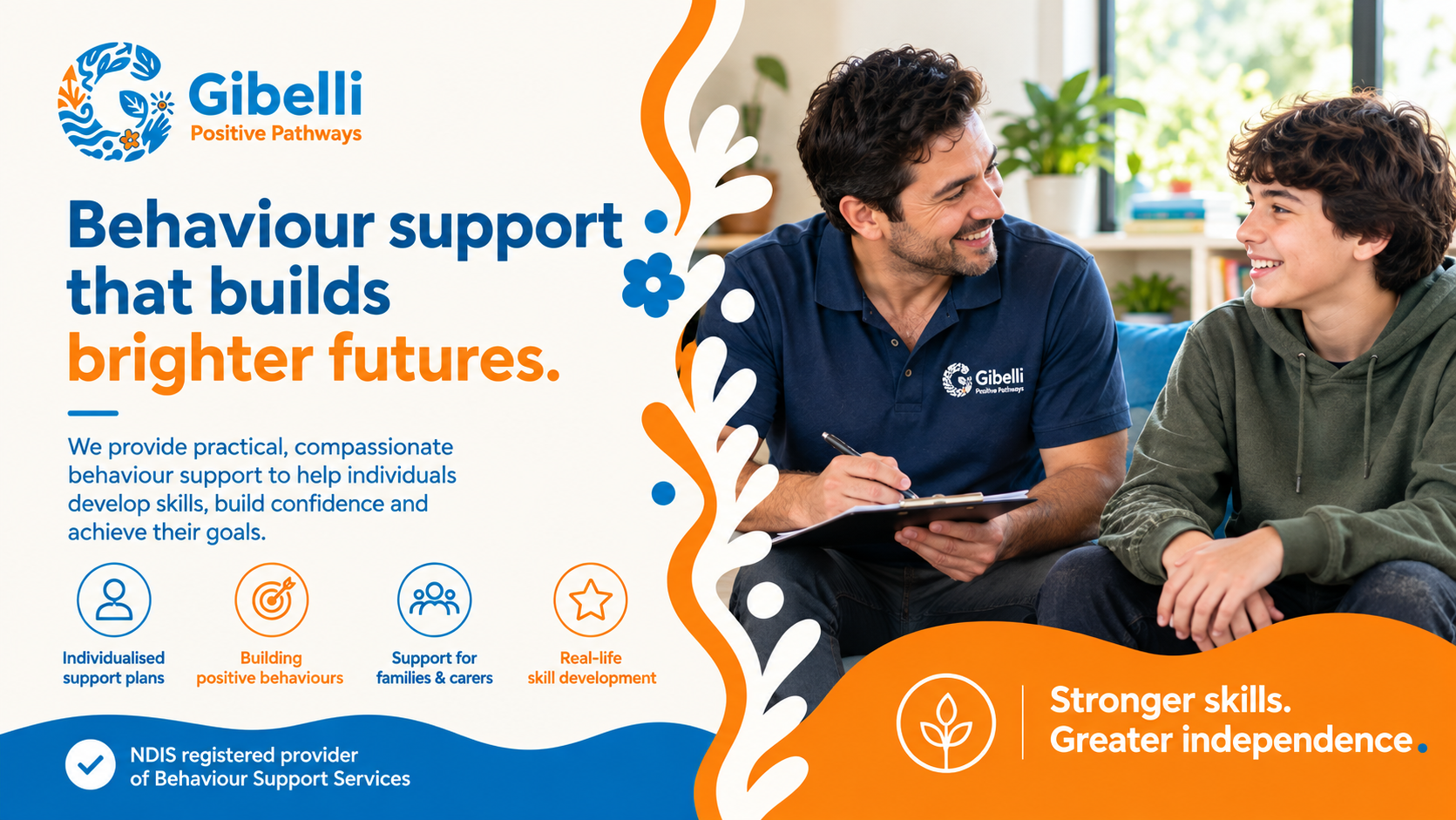
Discover how mobile Positive Behaviour Support (PBS) helps NDIS participants across Melbourne Metro, Geelong, and Ballarat build functional communication, reduce restrictive practices, and strengthen autonomy.
Building Communication & Autonomy Across Melbourne Metro, Geelong & Ballarat: Person-Centered NDIS Behaviour Support
For neurodivergent individuals and NDIS participants navigating complex sensory environments or daily stressors, expressing needs, making choices, and maintaining personal control are vital to overall well-being. When functional communication channels are limited or misunderstood, frustration can manifest as behaviours of concern.
At Gibelli Positive Pathways, our Specialist Positive Behaviour Support (PBS) is designed to build capability rather than control behavior. By taking a practitioner-led, mobile approach directly into homes, schools, workplaces, and community spaces across Greater Melbourne, Geelong, and Ballarat, we help participants establish practical communication tools and self-regulation strategies where they matter most.
Why Functional Communication Drives Positive Outcomes
A core pillar of a comprehensive Functional Behaviour Assessment (FBA) is understanding the primary function behind a behavior. Often, challenging situations arise because an individual lacks an effective, accessible way to communicate discomfort, request a break, or express a boundary.
By working directly in real-world environments across Victoria, our practitioners evaluate unique situational triggers and introduce proactive communication alternatives:
In the Home: Implementing low-tech or high-tech Augmentative and Alternative Communication (AAC) supports, visual schedules, and predictability tools that reduce daily anxiety for the participant and family.
At School, TAFE, or Work: Partnering with teachers and supervisors to adapt the physical environment and support the participant in self-advocating for breaks or sensory adjustments.
In Community & Social Settings: Building practical confidence in local settings across Melbourne, Geelong, and Ballarat so participants can navigate social interactions safely and autonomously.
Key Takeaway: When participants gain accessible methods to express their choices and boundaries, reliance on behaviours of concern naturally decreases, fostering long-term independence and dignity.
Rights-Based Care That Respects Neurodivergence
Our clinical approach remains firmly rooted in neuro-affirming and human-rights-focused principles. We do not focus on compliance, forcing eye contact, or suppressing harmless stimming. Instead, our clinical focus includes:
Uncovering Root Causes: Addressing underlying sensory overload, fatigue, or unaddressed environmental stress.
Replacing Restrictive Practices: Substituting restrictive measures with proactive environmental adjustments, skill development, and functional communication tools.
Empowering Choice: Putting participant preferences, goals, and self-determination at the heart of every Behaviour Support Plan (BSP).
Active Capacity Across Greater Melbourne, Geelong & Ballarat
We maintain active practitioner capacity across key Victorian corridors, allowing for responsive intake and minimal wait times for Support Coordinators and Plan Managers:
Greater Melbourne Metropolitan Area: Western, Northern, Eastern, and Southern corridors (including Wyndham/Werribee, Melton, Hume, Whittlesea, Casey, and inner-metro hubs).
Geelong & Bellarine Peninsula: Geelong CBD, Northern Geelong, Grovedale, Ocean Grove, and surrounding growth corridors.
Ballarat & Central Highlands: Ballarat Central, Wendouree, Sebastopol, and surrounding regional communities.
Services Available Across VIC:
Positive Behaviour Support (Interim & Comprehensive BSPs, FBAs, and Restrictive Practice Panel submissions)
Stakeholder & Carer Training (Coaching support workers and families to implement strategy plans safely and effectively)
Make a Referral in Under 2 Minutes
If you are a Support Coordinator looking for a responsive clinical partner or a family member seeking compassionate, rights-based support, getting started is simple. Our clinical intake team reviews all requests promptly to ensure a smooth transition into care.
👉 Click here to complete our secure NDIS Referral Form
Have questions before referring? Contact our intake team at info@gibellipositivepathways.com.au or call us on 1300 090 468.
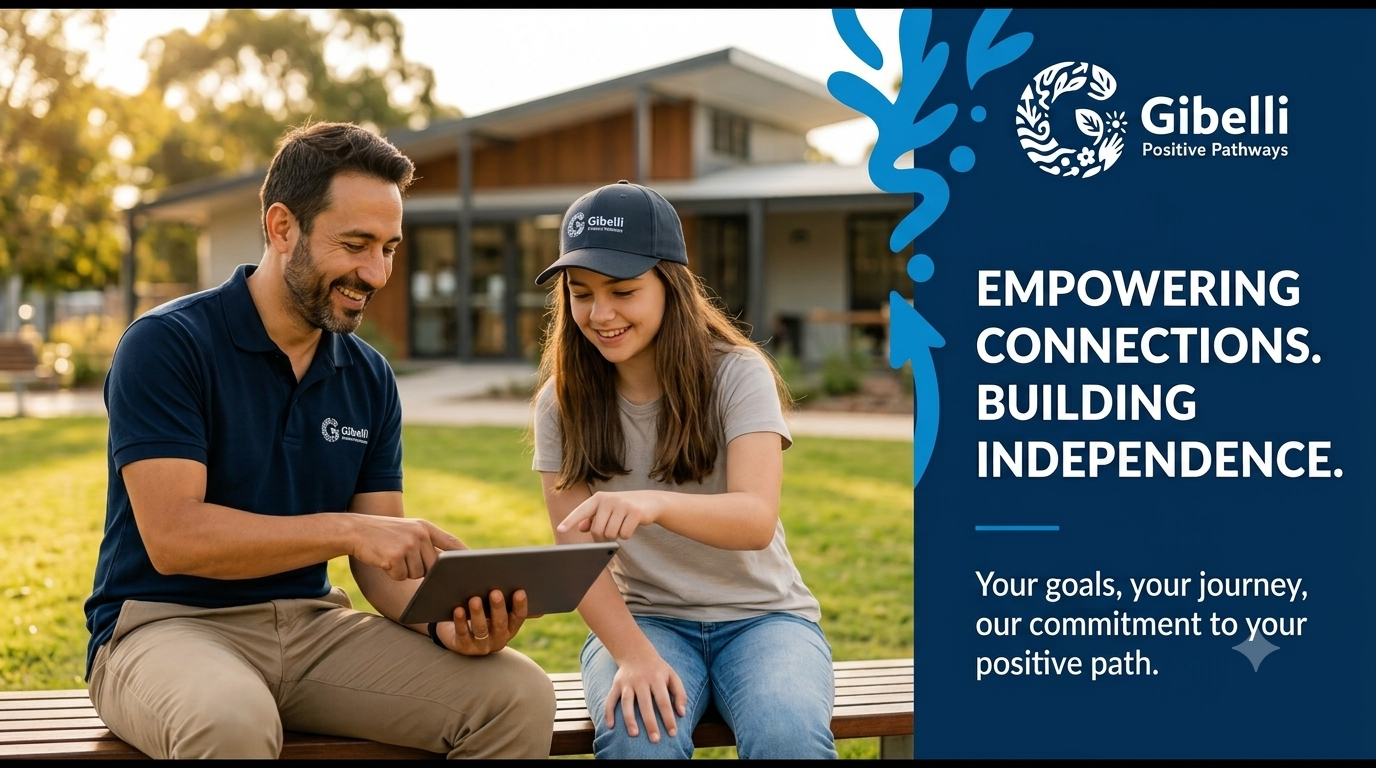
Learn why mobile, real-environment Positive Behaviour Support (PBS) delivers better outcomes for neurodivergent individuals and NDIS participants across Greater Sydney, Parramatta, Penrith, and Western Sydney.
Mobile NDIS Behaviour Support Across Greater Sydney: Why Real-Environment Support Matters
Finding the right clinical support under the NDIS shouldn't depend on how far a participant can travel, nor should it force them into uncomfortable or unfamiliar environments. For neurodivergent individuals and participants navigating complex behaviours of concern, traditional clinic-based therapy can sometimes introduce unnecessary stress. Busy waiting rooms, unfamiliar clinic lights, and strict artificial setups rarely reflect the realities of daily life.
At Gibelli Positive Pathways, we believe clinical care should adapt to the person—not the other way around. That’s why our Positive Behaviour Support (PBS) services are fully mobile, delivering practitioner-led, rights-based support directly to homes, schools, and community settings across Greater Sydney.
The Value of Mobile Support in Real-World Settings
When a Behaviour Support Practitioner conducts a Functional Behaviour Assessment (FBA) or implements a Behaviour Support Plan (BSP), context is everything. Behaviours of concern rarely occur in isolation; they are deeply connected to environmental triggers, sensory overload, communication barriers, and daily routines.
By meeting participants directly in their home, school, workplace, or local community, our practitioners can observe and support in real time:
In the Home: Understanding family dynamics, sensory inputs, and home routines allows us to co-design strategies that actually fit the household.
At School or Day Programs: Collaborating directly with educators and support staff ensures that environmental adjustments and proactive strategies are applied consistently throughout the day.
In the Community: Supporting participants in public spaces builds practical autonomy, confidence, and social participation without artificial boundaries.
Key Takeaway: Real-environment observation leads to more accurate assessments, more practical strategies, and significantly better long-term outcomes for participants and their support networks.
Neuro-Affirming & Rights-Based: Care That Respects the Individual
A mobile approach works hand-in-hand with our neuro-affirming and human-rights-focused clinical philosophy. We do not aim to eliminate natural expressions of neurodivergence or force masking. Instead, our focus is on:
Identifying Root Causes: Uncovering unmet needs, sensory triggers, or communication frustration behind challenging behaviours.
Reducing Restrictive Practices: Working dedicatedly to replace restrictive measures with proactive, environmental adjustments, sensory tools, and functional communication training.
Fostering Autonomy: Ensuring the participant's voice, choices, and self-determination remain at the center of their support plan.
Active Capacity Across Greater Sydney
We maintain dedicated practitioner capacity across key Sydney metropolitan corridors, providing responsive intake with minimal waiting times:
Greater Sydney Metropolitan Area: Western Sydney, South Western Sydney, Hills District, Northern Suburbs, and Inner Metro (including Parramatta, Blacktown, Penrith, Liverpool, Campbelltown, and surrounding hubs).
We actively collaborate with Support Coordinators, Plan Managers, local allied health professionals, and families to streamline referrals and ensure fast allocations.
Services Available Across Sydney:
Positive Behaviour Support (Interim & Comprehensive BSPs, FBAs, and Restrictive Practice Panel submissions)
Stakeholder & Carer Training (Coaching support workers and families to implement strategy plans safely and effectively)
Make a Referral in Under 2 Minutes
If you are a Support Coordinator seeking a reliable clinical partner or a family member looking for compassionate, rights-focused community-based support, getting started is straightforward. Our clinical intake team reviews all requests promptly to ensure a smooth transition into care.
👉 Click here to complete our secure NDIS Referral Form
Have questions before referring? Contact our intake team at info@gibellipositivepathways.com.au or call us on 1300 090 468.
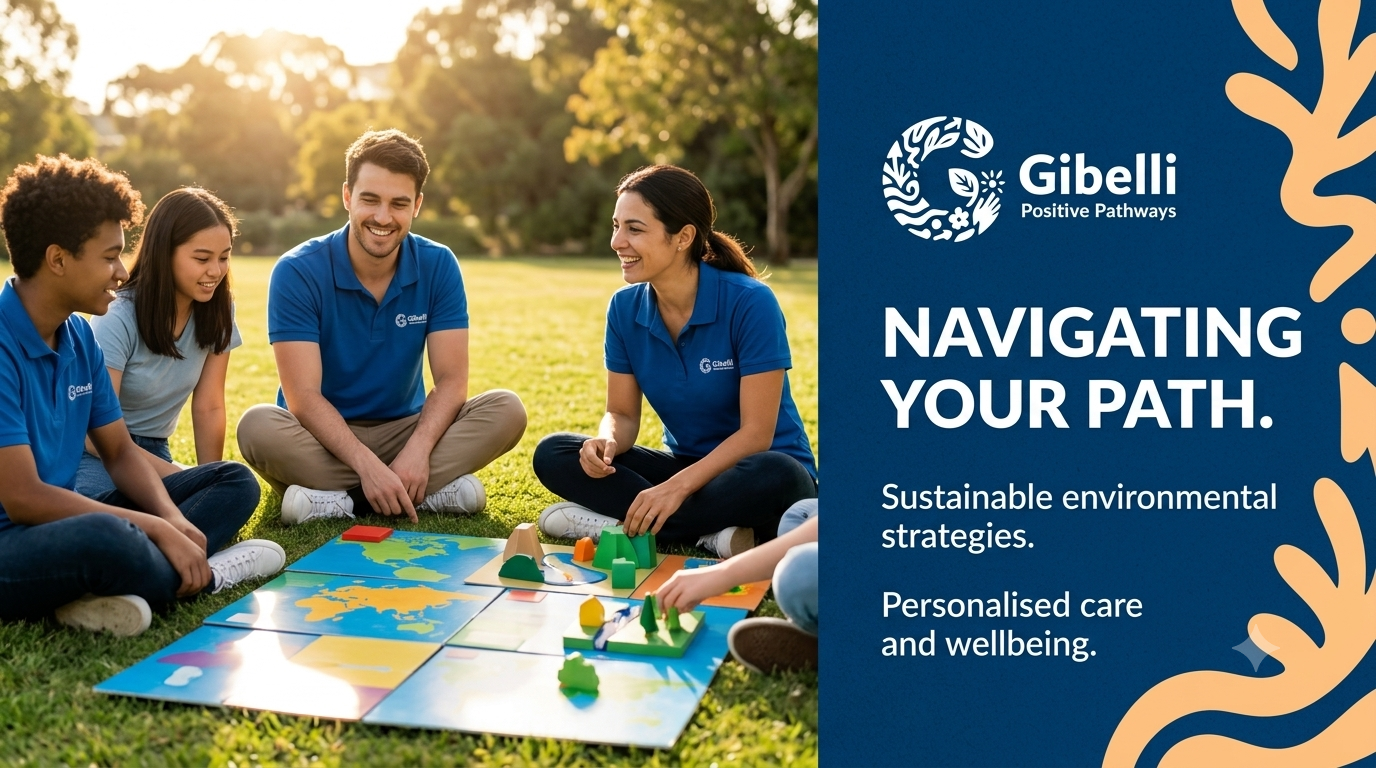
Learn why mobile, real-environment Positive Behaviour Support (PBS) delivers better outcomes for neurodivergent individuals and NDIS participants across Adelaide, Marion, Salisbury, and Mount Barker.
Mobile NDIS Behaviour Support Across Adelaide & Greater SA: Why Real-Environment Support Matters
Finding the right clinical support under the NDIS shouldn't depend on how far a participant can travel, nor should it force them into uncomfortable or unfamiliar environments. For neurodivergent individuals and participants navigating complex behaviours of concern, traditional clinic-based therapy can sometimes introduce unnecessary stress. Busy waiting rooms, unfamiliar clinic lights, and strict artificial setups rarely reflect the realities of daily life.
At Gibelli Positive Pathways, we believe clinical care should adapt to the person—not the other way around. That’s why our Positive Behaviour Support (PBS) services are fully mobile, delivering practitioner-led, rights-based support directly to homes, schools, and community settings across Greater Adelaide and regional South Australia.
The Value of Mobile Support in Real-World Settings
When a Behaviour Support Practitioner conducts a Functional Behaviour Assessment (FBA) or implements a Behaviour Support Plan (BSP), context is everything. Behaviours of concern rarely occur in isolation; they are deeply connected to environmental triggers, sensory overload, communication barriers, and daily routines.
By meeting participants directly in their home, school, workplace, or local community, our practitioners can observe and support in real time:
In the Home: Understanding family dynamics, sensory inputs, and home routines allows us to co-design strategies that actually fit the household.
At School or Day Programs: Collaborating directly with educators and support staff ensures that environmental adjustments and proactive strategies are applied consistently throughout the day.
In the Community: Supporting participants in public spaces builds practical autonomy, confidence, and social participation without artificial boundaries.
Key Takeaway: Real-environment observation leads to more accurate assessments, more practical strategies, and significantly better long-term outcomes for participants and their support networks.
Neuro-Affirming & Rights-Based: Care That Respects the Individual
A mobile approach works hand-in-hand with our neuro-affirming and human-rights-focused clinical philosophy. We do not aim to eliminate natural expressions of neurodivergence or force masking. Instead, our focus is on:
Identifying Root Causes: Uncovering unmet needs, sensory triggers, or communication frustration behind challenging behaviours.
Reducing Restrictive Practices: Working dedicatedly to replace restrictive measures with proactive, environmental adjustments, sensory tools, and functional communication training.
Fostering Autonomy: Ensuring the participant's voice, choices, and self-determination remain at the center of their support plan.
Active Capacity Across Greater Adelaide & Regional South Australia
We maintain active practitioner capacity across key South Australian corridors, providing responsive intake with minimal waiting times:
Greater Adelaide Metropolitan Area: Northern, Southern, Eastern, Western, and Adelaide Hills corridors (including Salisbury, Elizabeth, Marion, Port Adelaide, Mount Barker, and surrounding hubs).
Regional Hubs: Key regional SA communities and surrounding areas.
We actively collaborate with Support Coordinators, Plan Managers, local allied health professionals, and families to streamline referrals and ensure fast allocations.
Services Available Across SA:
Positive Behaviour Support (Interim & Comprehensive BSPs, FBAs, and Restrictive Practice Panel submissions)
Stakeholder & Carer Training (Coaching support workers and families to implement strategy plans safely and effectively)
Make a Referral in Under 2 Minutes
If you are a Support Coordinator seeking a reliable clinical partner or a family member looking for compassionate, rights-focused community-based support, getting started is straightforward. Our clinical intake team reviews all requests promptly to ensure a smooth transition into care.
👉 Click here to complete our secure NDIS Referral Form
Have questions before referring? Contact our intake team at info@gibellipositivepathways.com.au or call us on 1300 090 468.
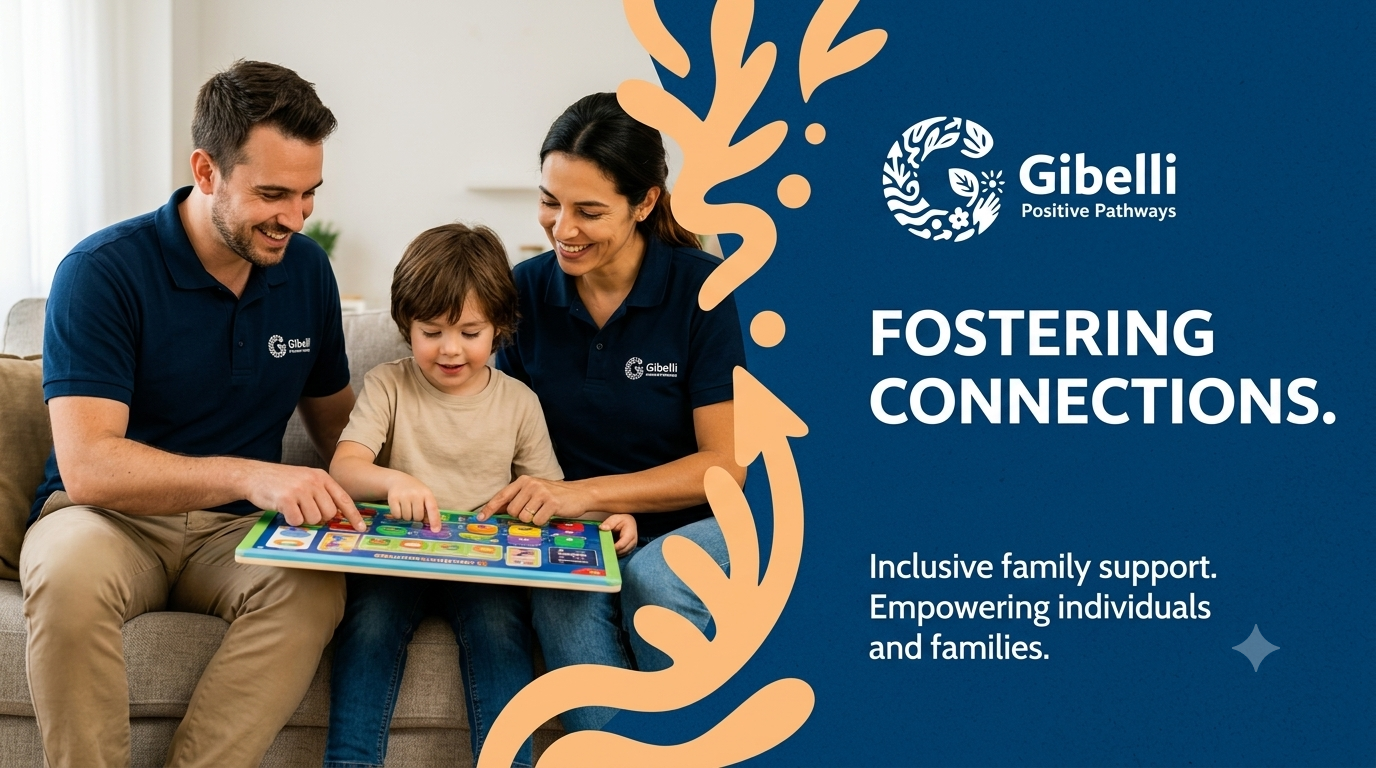
Learn why mobile, real-environment Positive Behaviour Support (PBS) delivers better outcomes for neurodivergent individuals and NDIS participants across Perth, Joondalup, Rockingham, and Mandurah.
Mobile NDIS Behaviour Support Across Perth & Greater WA: Why Real-Environment Support Matters
Finding the right clinical support under the NDIS shouldn't depend on how far a participant can travel, nor should it force them into uncomfortable or unfamiliar environments. For neurodivergent individuals and participants navigating complex behaviours of concern, traditional clinic-based therapy can sometimes introduce unnecessary stress. Busy waiting rooms, unfamiliar clinic lights, and strict artificial setups rarely reflect the realities of daily life.
At Gibelli Positive Pathways, we believe clinical care should adapt to the person—not the other way around. That’s why our Positive Behaviour Support (PBS) services are fully mobile, delivering practitioner-led, rights-based support directly to homes, schools, and community settings across Greater Perth and regional Western Australia.
The Value of Mobile Support in Real-World Settings
When a Behaviour Support Practitioner conducts a Functional Behaviour Assessment (FBA) or implements a Behaviour Support Plan (BSP), context is everything. Behaviours of concern rarely occur in isolation; they are deeply connected to environmental triggers, sensory overload, communication barriers, and daily routines.
By meeting participants directly in their home, school, workplace, or local community, our practitioners can observe and support in real time:
In the Home: Understanding family dynamics, sensory inputs, and home routines allows us to co-design strategies that actually fit the household.
At School or Day Programs: Collaborating directly with educators and support staff ensures that environmental adjustments and proactive strategies are applied consistently throughout the day.
In the Community: Supporting participants in public spaces builds practical autonomy, confidence, and social participation without artificial boundaries.
Key Takeaway: Real-environment observation leads to more accurate assessments, more practical strategies, and significantly better long-term outcomes for participants and their support networks.
Neuro-Affirming & Rights-Based: Care That Respects the Individual
A mobile approach works hand-in-hand with our neuro-affirming and human-rights-focused clinical philosophy. We do not aim to eliminate natural expressions of neurodivergence or force masking. Instead, our focus is on:
Identifying Root Causes: Uncovering unmet needs, sensory triggers, or communication frustration behind challenging behaviours.
Reducing Restrictive Practices: Working dedicatedly to replace restrictive measures with proactive, environmental adjustments, sensory tools, and functional communication training.
Fostering Autonomy: Ensuring the participant's voice, choices, and self-determination remain at the center of their support plan.
Active Capacity Across Greater Perth & Regional Western Australia
We maintain active practitioner capacity across key Western Australian corridors, providing responsive intake with minimal waiting times:
Greater Perth Metropolitan Area: Northern, Southern, Eastern, and Central corridors (including Joondalup, Stirling, Perth CBD, Fremantle, Rockingham, and Mandurah).
Regional Hubs: Key regional WA communities and surrounding areas.
We actively collaborate with Support Coordinators, Plan Managers, local allied health professionals, and families to streamline referrals and ensure fast allocations.
Services Available Across WA:
Positive Behaviour Support (Interim & Comprehensive BSPs, FBAs, and Restrictive Practice Panel submissions)
Stakeholder & Carer Training (Coaching support workers and families to implement strategy plans safely and effectively)
Make a Referral in Under 2 Minutes
If you are a Support Coordinator seeking a reliable clinical partner or a family member looking for compassionate, rights-focused community-based support, getting started is straightforward. Our clinical intake team reviews all requests promptly to ensure a smooth transition into care.
👉 Click here to complete our secure NDIS Referral Form
Have questions before referring? Contact our intake team at info@gibellipositivepathways.com.au or call us on 1300 090 468.
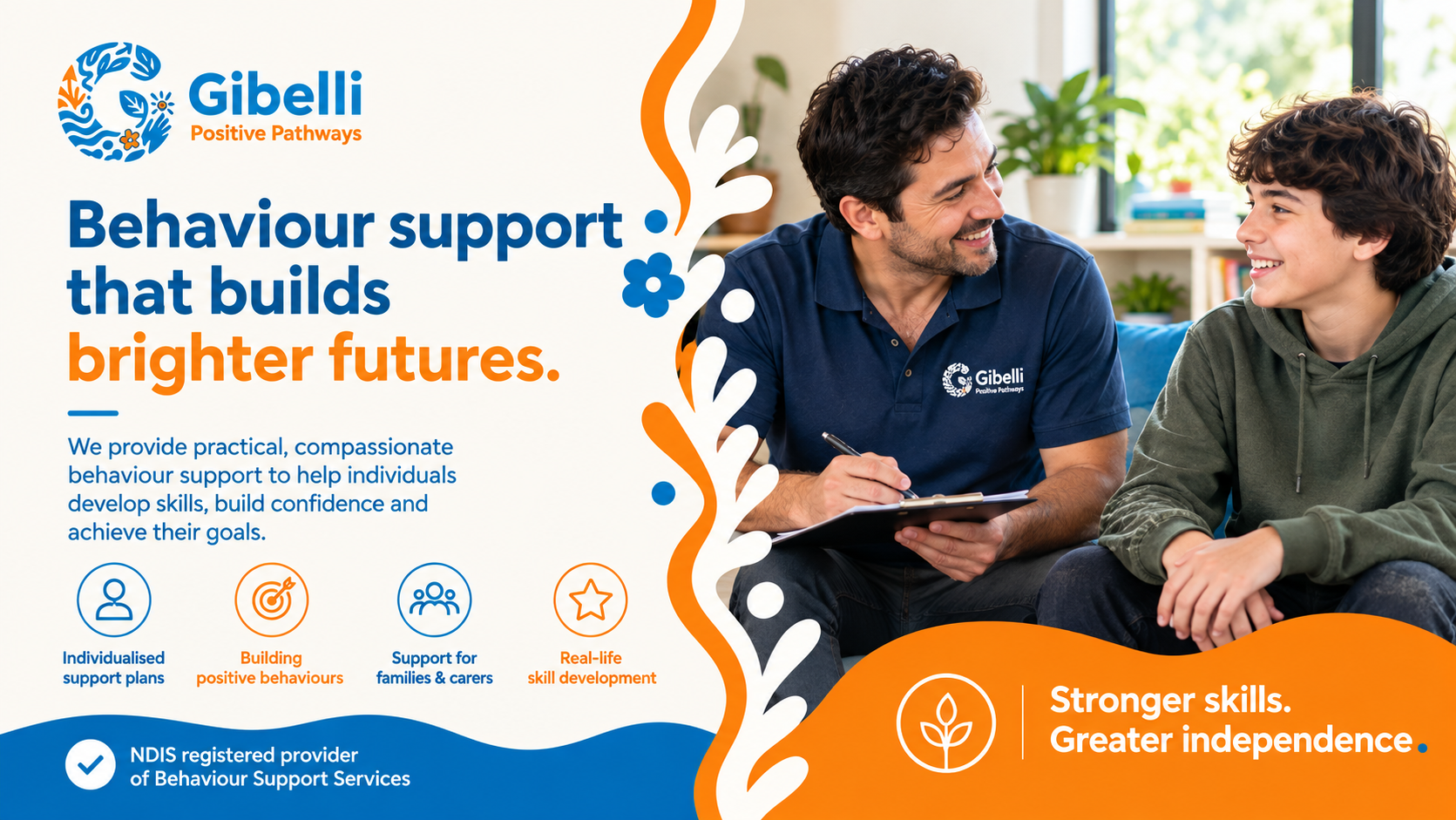
Learn why mobile, real-environment Positive Behaviour Support (PBS) delivers better outcomes for neurodivergent individuals and NDIS participants across Brisbane East (Carindale), Logan (Park Ridge), and Western Brisbane (Moggill).
Mobile NDIS Behaviour Support Across Greater Brisbane, Ipswich & Western Suburbs: Why Real-Environment Support Matters
Finding the right clinical support under the NDIS shouldn't depend on how far a participant can travel, nor should it force them into uncomfortable or unfamiliar environments. For neurodivergent individuals and participants navigating complex behaviours of concern, traditional clinic-based therapy can sometimes introduce unnecessary stress. Busy waiting rooms, unfamiliar clinic lights, and strict artificial setups rarely reflect the realities of daily life.
At Gibelli Positive Pathways, we believe clinical care should adapt to the person—not the other way around. That’s why our Positive Behaviour Support (PBS) services are fully mobile, delivering practitioner-led, rights-based support directly to homes, schools, and community settings across Greater Brisbane, Logan, and the Western Suburbs.
The Value of Mobile Support in Real-World Settings
When a Behaviour Support Practitioner conducts a Functional Behaviour Assessment (FBA) or implements a Behaviour Support Plan (BSP), context is everything. Behaviours of concern rarely occur in isolation; they are deeply connected to environmental triggers, sensory overload, communication barriers, and daily routines.
By meeting participants directly in their home, school, workplace, or local community, our practitioners can observe and support in real time:
In the Home: Understanding family dynamics, sensory inputs, and home routines allows us to co-design strategies that actually fit the household.
At School or Day Programs: Collaborating directly with educators and support staff ensures that environmental adjustments and proactive strategies are applied consistently throughout the day.
In the Community: Supporting participants in public spaces builds practical autonomy, confidence, and social participation without artificial boundaries.
Key Takeaway: Real-environment observation leads to more accurate assessments, more practical strategies, and significantly better long-term outcomes for participants and their support networks.
Neuro-Affirming & Rights-Based: Care That Respects the Individual
A mobile approach works hand-in-hand with our neuro-affirming and human-rights-focused clinical philosophy. We do not aim to eliminate natural expressions of neurodivergence or force masking. Instead, our focus is on:
Identifying Root Causes: Uncovering unmet needs, sensory triggers, or communication frustration behind challenging behaviours.
Reducing Restrictive Practices: Working dedicatedly to replace restrictive measures with proactive, environmental adjustments, sensory tools, and functional communication training.
Fostering Autonomy: Ensuring the participant's voice, choices, and self-determination remain at the center of their support plan.
Active Capacity Across Greater Brisbane, Logan & Western Corridors
We maintain active practitioner capacity anchored across key Queensland hubs, providing responsive intake with minimal waiting times:
Brisbane South & East Hub (Carindale): Servicing Carindale, Mount Gravatt, Wynnum, Capalaba, Coorparoo, and surrounding Brisbane South/East suburbs.
Logan & Southern Growth Corridor Hub (Park Ridge): Servicing Park Ridge, Browns Plains, Springwood, Loganholme, Greenbank, and surrounding Logan corridors.
Centenary & Western Suburbs Hub (Moggill): Servicing Moggill, Bellbowrie, Kenmore, Jindalee, Ipswich corridors, and surrounding Western Brisbane suburbs.
We actively collaborate with Support Coordinators, Plan Managers, local allied health professionals, and families to streamline referrals and ensure fast allocations.
Services Available Across QLD:
Positive Behaviour Support (Interim & Comprehensive BSPs, FBAs, and Restrictive Practice Panel submissions)
Stakeholder & Carer Training (Coaching support workers and families to implement strategy plans safely and effectively)
Make a Referral in Under 2 Minutes If you are a Support Coordinator seeking a reliable clinical partner or a family member looking for compassionate, rights-focused community-based support, getting started is straightforward. Our clinical intake team reviews all requests promptly to ensure a smooth transition into care.
👉 Click here to complete our secure NDIS Referral Form
Have questions before referring? Contact our intake team at info@gibellipositivepathways.com.au or call us on 1300 090 468.
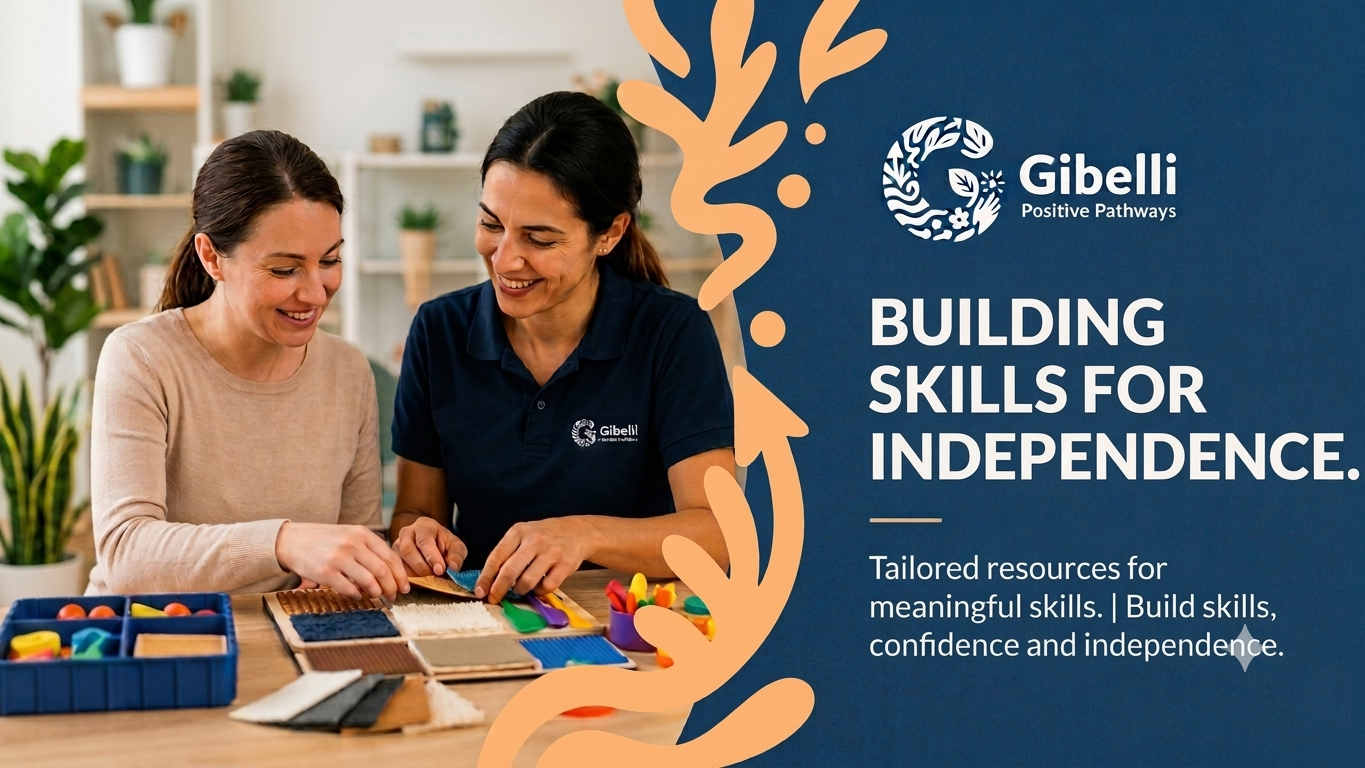
Learn why mobile, real-environment Positive Behaviour Support (PBS) delivers better outcomes for neurodivergent individuals and NDIS participants across Melbourne Metro, Geelong, and Ballarat.
Mobile NDIS Behaviour Support Across Melbourne Metro, Geelong & Ballarat: Why Real-Environment Support Matters
Finding the right clinical support under the NDIS shouldn't depend on how far a participant can travel, nor should it force them into uncomfortable or unfamiliar environments. For neurodivergent individuals and participants navigating complex behaviours of concern, traditional clinic-based therapy can sometimes introduce unnecessary stress. Busy waiting rooms, unfamiliar clinic lights, and strict artificial setups rarely reflect the realities of daily life.
At Gibelli Positive Pathways, we believe clinical care should adapt to the person—not the other way around. That’s why our Positive Behaviour Support (PBS) services are fully mobile, delivering practitioner-led, rights-based support directly to homes, schools, and community settings across Greater Melbourne, Geelong, and regional Victoria.
The Value of Mobile Support in Real-World Settings
When a Behaviour Support Practitioner conducts a Functional Behaviour Assessment (FBA) or implements a Behaviour Support Plan (BSP), context is everything. Behaviours of concern rarely occur in isolation; they are deeply connected to environmental triggers, sensory overload, communication barriers, and daily routines.
By meeting participants directly in their home, school, workplace, or local community, our practitioners can observe and support in real time:
In the Home: Understanding family dynamics, sensory inputs, and home routines allows us to co-design strategies that actually fit the household.
At School or Day Programs: Collaborating directly with educators and support staff ensures that environmental adjustments and proactive strategies are applied consistently throughout the day.
In the Community: Supporting participants in public spaces builds practical autonomy, confidence, and social participation without artificial boundaries.
Key Takeaway: Real-environment observation leads to more accurate assessments, more practical strategies, and significantly better long-term outcomes for participants and their support networks.
Neuro-Affirming & Rights-Based: Care That Respects the Individual
A mobile approach works hand-in-hand with our neuro-affirming and human-rights-focused clinical philosophy. We do not aim to eliminate natural expressions of neurodivergence or force masking. Instead, our focus is on:
Identifying Root Causes: Uncovering unmet needs, sensory triggers, or communication frustration behind challenging behaviours.
Reducing Restrictive Practices: Working dedicatedly to replace restrictive measures with proactive, environmental adjustments, sensory tools, and functional communication training.
Fostering Autonomy: Ensuring the participant's voice, choices, and self-determination remain at the center of their support plan.
Active Capacity Across Greater Melbourne, Geelong & Ballarat
We maintain active practitioner capacity across key Victorian corridors, providing responsive intake with minimal waiting times:
Greater Melbourne Metropolitan Area: Western, Northern, Eastern, and Southern suburbs (including Werribee, Wyndham, Tarneit, Melton, and surrounding metro hubs).
Regional & Coastal Hubs: Geelong, Ballarat, and surrounding regional communities.
We actively collaborate with Support Coordinators, Plan Managers, local allied health professionals, and families to streamline referrals and ensure fast allocations.
Services Available Across VIC:
Positive Behaviour Support (Interim & Comprehensive BSPs, FBAs, and Restrictive Practice Panel submissions)
Stakeholder & Carer Training (Coaching support workers and families to implement strategy plans safely and effectively)
Make a Referral in Under 2 Minutes
If you are a Support Coordinator seeking a reliable clinical partner or a family member looking for compassionate, rights-focused community-based support, getting started is straightforward. Our clinical intake team reviews all requests promptly to ensure a smooth transition into care.
👉 Click here to complete our secure NDIS Referral Form
Have questions before referring? Contact our intake team at info@gibellipositivepathways.com.au or call us on 1300 090 468.
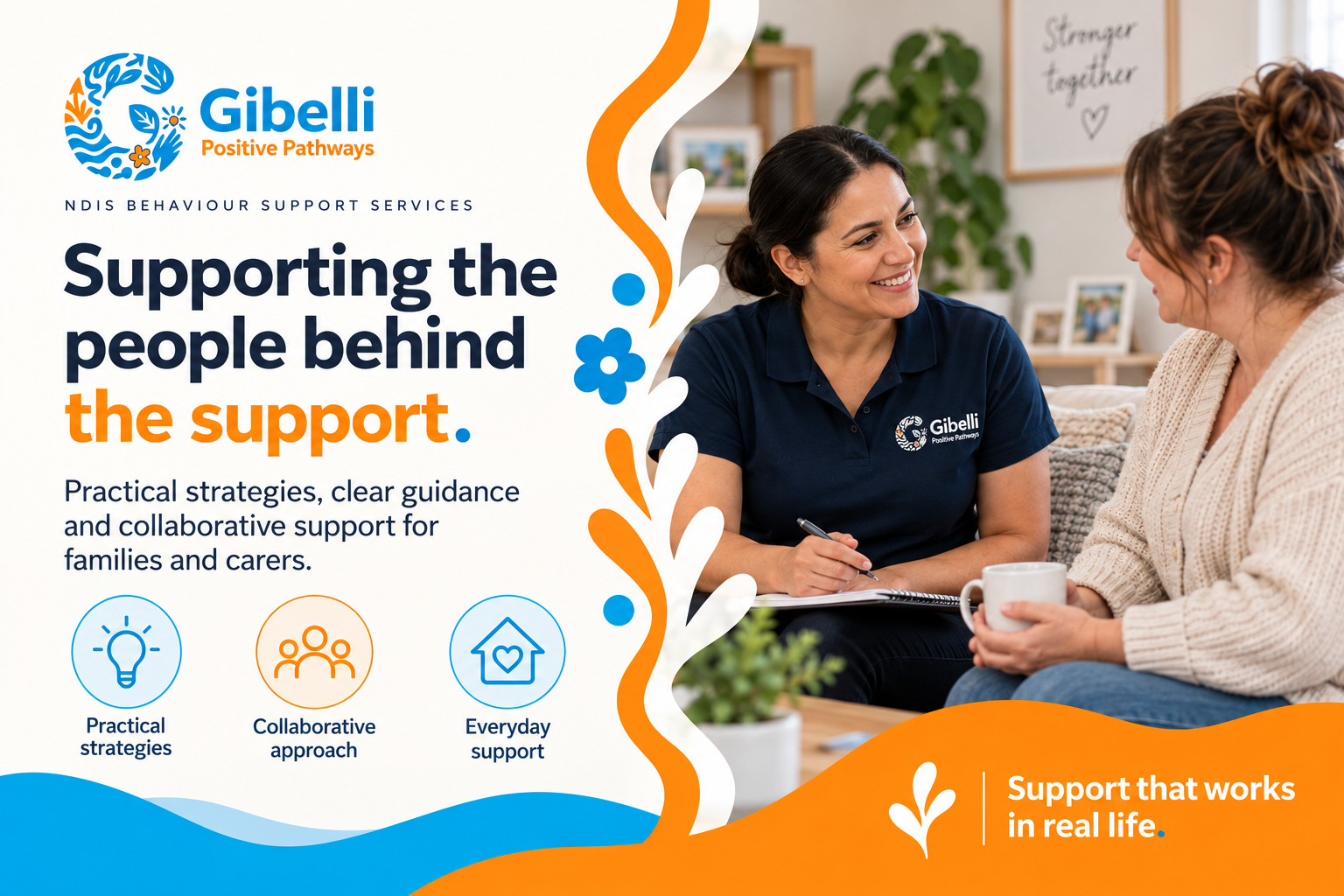
Learn how mobile, human-rights-focused Positive Behaviour Support (PBS) helps neurodivergent individuals and NDIS participants across Greater Sydney reduce restrictive practices and build autonomy.
Reducing Restrictive Practices in Greater Sydney: Human-Rights-Focused NDIS Behaviour Support
For neurodivergent individuals and participants navigating complex behaviours of concern, receiving support should focus on expanding opportunities—not restricting freedom. Under the NDIS Quality and Safeguards framework, eliminating or reducing restrictive practices is not just a regulatory expectation; it is a fundamental human right.
At Gibelli Positive Pathways, we believe clinical care must champion participant dignity, autonomy, and safety above all else. That’s why our Positive Behaviour Support (PBS) services are fully mobile, delivering practitioner-led, human-rights-based support directly to homes, schools, and community settings across Greater Sydney.
The Value of Reducing Restrictive Practices in Real-World Settings
When a Behaviour Support Practitioner conducts a Functional Behaviour Assessment (FBA) or implements a Behaviour Support Plan (BSP), safety and dignity are paramount. Behaviours of concern rarely occur in isolation; they are deeply connected to environmental triggers, sensory overload, communication barriers, and daily routines.
By meeting participants directly in their home, school, workplace, or local community, our practitioners evaluate restrictive interventions and implement proactive alternatives in real time:
In the Home: Assessing physical or environmental barriers to co-design safer, proactive setups that reduce the reliance on restrictive interventions while supporting family safety.
At School or Day Programs: Collaborating directly with educators and support staff to replace reactive management strategies with proactive skill-building and environmental adaptations.
In the Community: Supporting participants in public settings safely, building real-world skills and confidence while ensuring rights and freedoms are upheld.
Key Takeaway: Real-environment assessment allows us to identify the root cause of challenging behaviours, leading to practical alternatives that minimize or eliminate restrictive practices while improving overall quality of life.
Neuro-Affirming & Rights-Based: Care That Respects the Individual
A mobile approach works hand-in-hand with our neuro-affirming and human-rights-focused clinical philosophy. We do not aim to eliminate natural expressions of neurodivergence or force masking. Instead, our focus is on:
Identifying Root Causes: Uncovering unmet needs, sensory triggers, or communication frustration behind challenging behaviours.
Reducing Restrictive Practices: Working dedicatedly to substitute restrictive measures with proactive, environmental adjustments, sensory tools, and functional communication training.
Fostering Autonomy: Ensuring the participant's voice, choices, and self-determination remain at the center of their support plan.
Active Capacity Across Greater Sydney
We maintain dedicated practitioner capacity across key Sydney metropolitan corridors, providing responsive intake with minimal waiting times:
Greater Sydney Metropolitan Area: Western Sydney, South Western Sydney, Hills District, Northern Suburbs, and Inner Metro (including Parramatta, Blacktown, Penrith, Liverpool, Campbelltown, and surrounding hubs).
We actively collaborate with Support Coordinators, Plan Managers, local allied health professionals, and families to streamline referrals and ensure fast allocations.
Services Available Across Sydney:
Positive Behaviour Support (Interim & Comprehensive BSPs, FBAs, and Restrictive Practice Panel submissions)
Stakeholder & Carer Training (Coaching support workers and families to implement strategy plans safely and effectively)
Make a Referral in Under 2 Minutes
If you are a Support Coordinator seeking a reliable clinical partner or a family member looking for compassionate, rights-focused community-based support, getting started is straightforward. Our clinical intake team reviews all requests promptly to ensure a smooth transition into care.
👉 Click here to complete our secure NDIS Referral Form
Have questions before referring? Contact our intake team at info@gibellipositivepathways.com.au or call us on 1300 090 468.

Learn how mobile, human-rights-focused Positive Behaviour Support (PBS) helps neurodivergent individuals and NDIS participants across Adelaide, Marion, Salisbury, and regional SA reduce restrictive practices and build autonomy.
Reducing Restrictive Practices in Adelaide, Greater SA & Regional Hubs: Human-Rights-Focused NDIS Behaviour Support
For neurodivergent individuals and participants navigating complex behaviours of concern, receiving support should focus on expanding opportunities—not restricting freedom. Under the NDIS Quality and Safeguards framework, eliminating or reducing restrictive practices is not just a regulatory expectation; it is a fundamental human right.
At Gibelli Positive Pathways, we believe clinical care must champion participant dignity, autonomy, and safety above all else. That’s why our Positive Behaviour Support (PBS) services are fully mobile, delivering practitioner-led, human-rights-based support directly to homes, schools, and community settings across Greater Adelaide and regional South Australia.
The Value of Reducing Restrictive Practices in Real-World Settings
When a Behaviour Support Practitioner conducts a Functional Behaviour Assessment (FBA) or implements a Behaviour Support Plan (BSP), safety and dignity are paramount. Behaviours of concern rarely occur in isolation; they are deeply connected to environmental triggers, sensory overload, communication barriers, and daily routines.
By meeting participants directly in their home, school, workplace, or local community, our practitioners evaluate restrictive interventions and implement proactive alternatives in real time:
In the Home: Assessing physical or environmental barriers to co-design safer, proactive setups that reduce the reliance on restrictive interventions while supporting family safety.
At School or Day Programs: Collaborating directly with educators and support staff to replace reactive management strategies with proactive skill-building and environmental adaptations.
In the Community: Supporting participants in public settings safely, building real-world skills and confidence while ensuring rights and freedoms are upheld.
Key Takeaway: Real-environment assessment allows us to identify the root cause of challenging behaviours, leading to practical alternatives that minimize or eliminate restrictive practices while improving overall quality of life.
Neuro-Affirming & Rights-Based: Care That Respects the Individual
A mobile approach works hand-in-hand with our neuro-affirming and human-rights-focused clinical philosophy. We do not aim to eliminate natural expressions of neurodivergence or force masking. Instead, our focus is on:
Identifying Root Causes: Uncovering unmet needs, sensory triggers, or communication frustration behind challenging behaviours.
Reducing Restrictive Practices: Working dedicatedly to substitute restrictive measures with proactive, environmental adjustments, sensory tools, and functional communication training.
Fostering Autonomy: Ensuring the participant's voice, choices, and self-determination remain at the center of their support plan.
Active Capacity Across Greater Adelaide & Regional South Australia
We maintain active practitioner capacity across key South Australian corridors, providing responsive intake with minimal waiting times:
Greater Adelaide Metropolitan Area: Northern, Southern, Eastern, Western, and Adelaide Hills corridors (including Salisbury, Elizabeth, Marion, Port Adelaide, Mount Barker, and surrounding hubs).
Regional Hubs: Key regional SA communities and surrounding areas.
We actively collaborate with Support Coordinators, Plan Managers, local allied health professionals, and families to streamline referrals and ensure fast allocations.
Services Available Across SA:
Positive Behaviour Support (Interim & Comprehensive BSPs, FBAs, and Restrictive Practice Panel submissions)
Stakeholder & Carer Training (Coaching support workers and families to implement strategy plans safely and effectively)
Make a Referral in Under 2 Minutes
If you are a Support Coordinator seeking a reliable clinical partner or a family member looking for compassionate, rights-focused community-based support, getting started is straightforward. Our clinical intake team reviews all requests promptly to ensure a smooth transition into care.
👉 Click here to complete our secure NDIS Referral Form
Have questions before referring? Contact our intake team at info@gibellipositivepathways.com.au or call us on 1300 090 468.
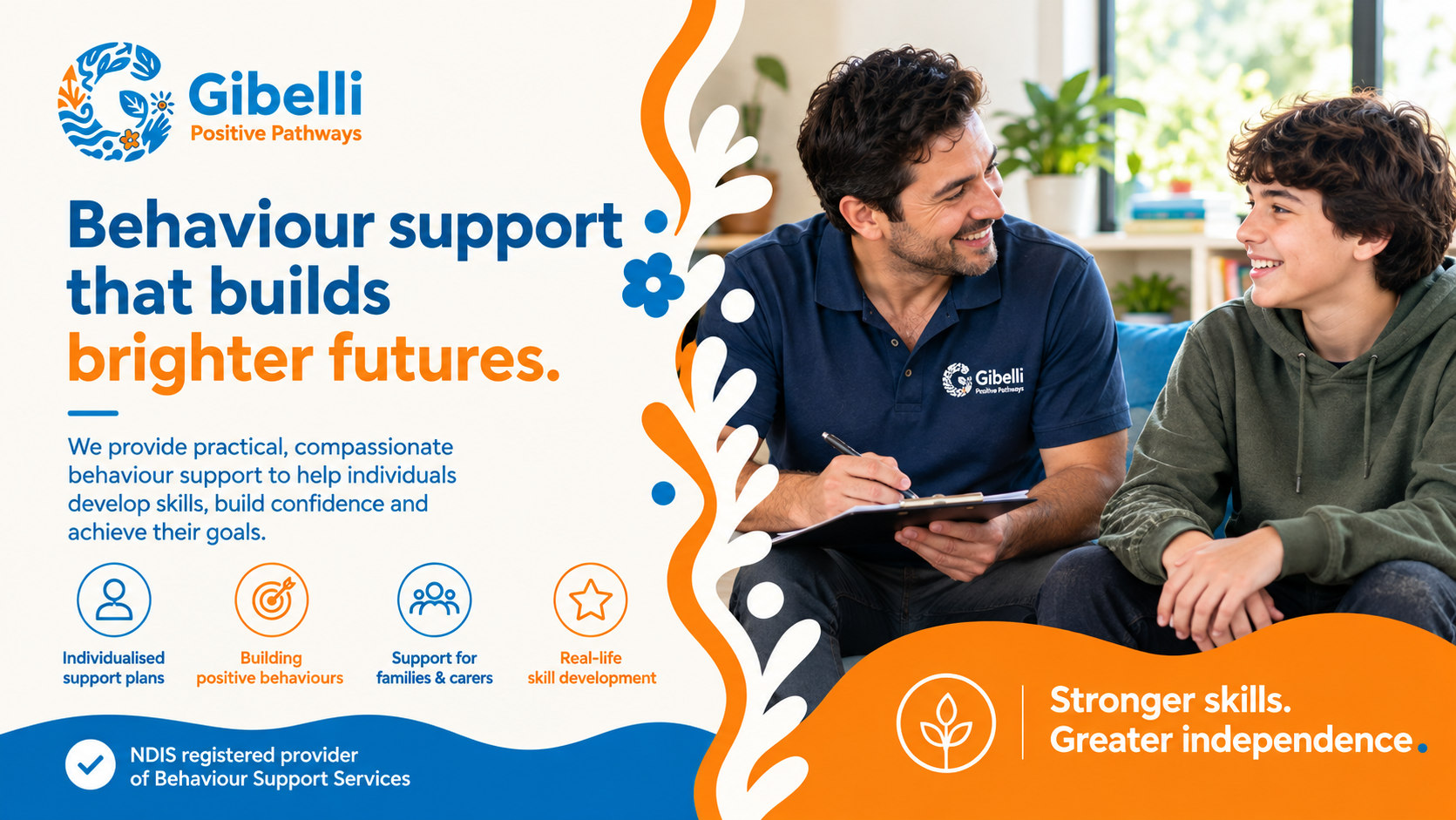
Learn how mobile, human-rights-focused Positive Behaviour Support (PBS) helps neurodivergent individuals and NDIS participants across Perth, Rockingham, Mandurah, and regional WA reduce restrictive practices and build autonomy.
Reducing Restrictive Practices in Perth, Greater WA & Regional Hubs: Human-Rights-Focused NDIS Behaviour Support
For neurodivergent individuals and participants navigating complex behaviours of concern, receiving support should focus on expanding opportunities—not restricting freedom. Under the NDIS Quality and Safeguards framework, eliminating or reducing restrictive practices is not just a regulatory expectation; it is a fundamental human right.
At Gibelli Positive Pathways, we believe clinical care must champion participant dignity, autonomy, and safety above all else. That’s why our Positive Behaviour Support (PBS) services are fully mobile, delivering practitioner-led, human-rights-based support directly to homes, schools, and community settings across Greater Perth and regional Western Australia.
The Value of Reducing Restrictive Practices in Real-World Settings
When a Behaviour Support Practitioner conducts a Functional Behaviour Assessment (FBA) or implements a Behaviour Support Plan (BSP), safety and dignity are paramount. Behaviours of concern rarely occur in isolation; they are deeply connected to environmental triggers, sensory overload, communication barriers, and daily routines.
By meeting participants directly in their home, school, workplace, or local community, our practitioners evaluate restrictive interventions and implement proactive alternatives in real time:
In the Home: Assessing physical or environmental barriers to co-design safer, proactive setups that reduce the reliance on restrictive interventions while supporting family safety.
At School or Day Programs: Collaborating directly with educators and support staff to replace reactive management strategies with proactive skill-building and environmental adaptations.
In the Community: Supporting participants in public settings safely, building real-world skills and confidence while ensuring rights and freedoms are upheld.
Key Takeaway: Real-environment assessment allows us to identify the root cause of challenging behaviours, leading to practical alternatives that minimize or eliminate restrictive practices while improving overall quality of life.
Neuro-Affirming & Rights-Based: Care That Respects the Individual
A mobile approach works hand-in-hand with our neuro-affirming and human-rights-focused clinical philosophy. We do not aim to eliminate natural expressions of neurodivergence or force masking. Instead, our focus is on:
Identifying Root Causes: Uncovering unmet needs, sensory triggers, or communication frustration behind challenging behaviours.
Reducing Restrictive Practices: Working dedicatedly to substitute restrictive measures with proactive, environmental adjustments, sensory tools, and functional communication training.
Fostering Autonomy: Ensuring the participant's voice, choices, and self-determination remain at the center of their support plan.
Active Capacity Across Greater Perth & Regional Western Australia
We maintain active practitioner capacity across key Western Australian corridors, providing responsive intake with minimal waiting times:
Greater Perth Metropolitan Area: Northern, Southern, Eastern, and Central corridors (including Joondalup, Stirling, Perth CBD, Fremantle, Rockingham, and Mandurah).
Regional Hubs: Key regional WA communities and surrounding areas.
We actively collaborate with Support Coordinators, Plan Managers, local allied health professionals, and families to streamline referrals and ensure fast allocations.
Services Available Across WA:
Positive Behaviour Support (Interim & Comprehensive BSPs, FBAs, and Restrictive Practice Panel submissions)
Stakeholder & Carer Training (Coaching support workers and families to implement strategy plans safely and effectively)
Make a Referral in Under 2 Minutes
If you are a Support Coordinator seeking a reliable clinical partner or a family member looking for compassionate, rights-focused community-based support, getting started is straightforward. Our clinical intake team reviews all requests promptly to ensure a smooth transition into care.
👉 Click here to complete our secure NDIS Referral Form
Have questions before referring? Contact our intake team at info@gibellipositivepathways.com.au or call us on 1300 090 468.
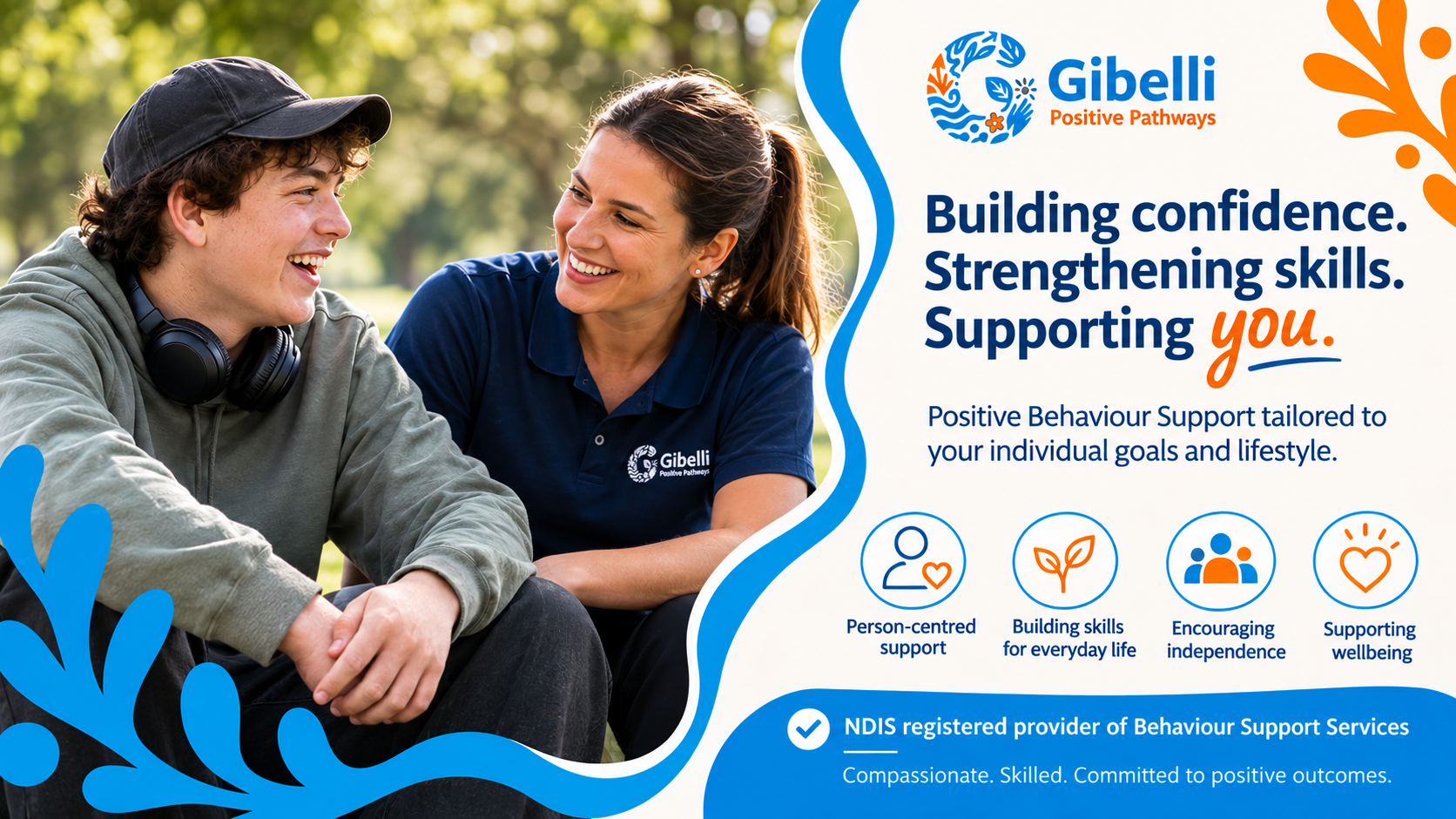
Learn how mobile, person-centered Positive Behaviour Support (PBS) helps neurodivergent individuals and NDIS participants across Northern Melbourne, Greater Melbourne, and Ballarat build functional communication and personal autonomy.
Reducing Restrictive Practices in Werribee, Greater Melbourne & Ballarat: Human-Rights-Focused NDIS Behaviour Support
For neurodivergent individuals and participants navigating complex behaviours of concern, receiving support should focus on expanding opportunities—not restricting freedom. Under the NDIS Quality and Safeguards framework, eliminating or reducing restrictive practices is not just a regulatory expectation; it is a fundamental human right.
At Gibelli Positive Pathways, we believe clinical care must champion participant dignity, autonomy, and safety above all else. That’s why our Positive Behaviour Support (PBS) services are fully mobile, delivering practitioner-led, human-rights-based support directly to homes, schools, and community settings across Greater Melbourne and regional Victoria.
The Value of Reducing Restrictive Practices in Real-World Settings
When a Behaviour Support Practitioner conducts a Functional Behaviour Assessment (FBA) or implements a Behaviour Support Plan (BSP), safety and dignity are paramount. Behaviours of concern rarely occur in isolation; they are deeply connected to environmental triggers, sensory overload, communication barriers, and daily routines.
By meeting participants directly in their home, school, workplace, or local community, our practitioners evaluate restrictive interventions and implement proactive alternatives in real time:
In the Home: Assessing physical or environmental barriers to co-design safer, proactive setups that reduce the reliance on restrictive interventions while supporting family safety.
At School or Day Programs: Collaborating directly with educators and support staff to replace reactive management strategies with proactive skill-building and environmental adaptations.
In the Community: Supporting participants in public settings safely, building real-world skills and confidence while ensuring rights and freedoms are upheld.
Key Takeaway: Real-environment assessment allows us to identify the root cause of challenging behaviours, leading to practical alternatives that minimize or eliminate restrictive practices while improving overall quality of life.
Neuro-Affirming & Rights-Based: Care That Respects the Individual
A mobile approach works hand-in-hand with our neuro-affirming and human-rights-focused clinical philosophy. We do not aim to eliminate natural expressions of neurodivergence or force masking. Instead, our focus is on:
Identifying Root Causes: Uncovering unmet needs, sensory triggers, or communication frustration behind challenging behaviours.
Reducing Restrictive Practices: Working dedicatedly to substitute restrictive measures with proactive, environmental adjustments, sensory tools, and functional communication training.
Fostering Autonomy: Ensuring the participant's voice, choices, and self-determination remain at the center of their support plan.
Active Capacity Across Greater Melbourne & Regional Victoria
We maintain active practitioner capacity across key Victorian corridors, providing responsive intake with minimal waiting times:
Greater Melbourne Metropolitan Area: Western, Northern, Eastern, and Southern suburbs (including Werribee, Wyndham, Tarneit, Melton, and surrounding metro hubs).
Regional Hubs: Ballarat and surrounding regional communities.
We actively collaborate with Support Coordinators, Plan Managers, local allied health professionals, and families to streamline referrals and ensure fast allocations.
Services Available Across VIC:
Positive Behaviour Support (Interim & Comprehensive BSPs, FBAs, and Restrictive Practice Panel submissions)
Stakeholder & Carer Training (Coaching support workers and families to implement strategy plans safely and effectively)
Make a Referral in Under 2 Minutes
If you are a Support Coordinator seeking a reliable clinical partner or a family member looking for compassionate, rights-focused community-based support, getting started is straightforward. Our clinical intake team reviews all requests promptly to ensure a smooth transition into care.
👉 Click here to complete our secure NDIS Referral Form
Have questions before referring? Contact our intake team at info@gibellipositivepathways.com.au or call us on 1300 090 468.

Delivering practitioner-led, neuro-affirming Positive Behaviour Support directly to homes, schools, and communities across Greater Adelaide and regional South Australia.
Mobile NDIS Behaviour Support Across Greater Adelaide & SA: Why Meeting Participants at Home & School Matters
Finding the right clinical support under the NDIS shouldn't depend on how far a participant can travel, nor should it force them into uncomfortable or unfamiliar environments.
For neurodivergent individuals and participants navigating complex behaviours of concern, traditional clinic-based therapy can sometimes introduce unnecessary stress. Busy waiting rooms, unfamiliar clinic lights, and strict artificial setups rarely reflect the realities of daily life.
At Gibelli Positive Pathways, we believe clinical care should adapt to the person—not the other way around. That’s why our Positive Behaviour Support (PBS) services are fully mobile, delivering practitioner-led, rights-based support across Greater Adelaide and regional South Australia.
The Value of Mobile Support in Real-World Settings
When a Behaviour Support Practitioner conducts a Functional Behaviour Assessment (FBA) or implements a Behaviour Support Plan (BSP), context is everything. Behaviours of concern rarely occur in isolation; they are deeply connected to environmental triggers, sensory overload, communication barriers, and daily routines.
By meeting participants directly in their home, school, workplace, or local community, our practitioners can observe and support in real time:
In the Home: Understanding family dynamics, sensory inputs, and home routines allows us to co-design strategies that actually fit the household.
At School or Day Programs: Collaborating directly with educators and support staff ensures that environmental adjustments and proactive strategies are applied consistently throughout the day.
In the Community: Supporting participants in public spaces builds practical autonomy, confidence, and social participation without artificial boundaries.
Key Takeaway: Real-environment observation leads to more accurate assessments, more practical strategies, and significantly better long-term outcomes for participants and their support networks.
Neuro-Affirming & Rights-Based: Care That Respects the Individual
A mobile approach works hand-in-hand with our neuro-affirming and human-rights-focused clinical philosophy. We do not aim to eliminate natural expressions of neurodivergence or force masking. Instead, our focus is on:
Identifying Root Causes: Uncovering unmet needs, sensory triggers, or communication frustration behind challenging behaviours.
Reducing Restrictive Practices: Working dedicatedly to replace restrictive measures with proactive, environmental adjustments and skill-building.
Fostering Autonomy: Ensuring the participant's voice and choices remain at the center of their support plan.
Active Capacity Across Greater Adelaide & SA Regions
Whether you are located in the Central Adelaide metropolitan area, Northern corridors like Gawler and Playford, Southern suburbs, or the Adelaide Hills (including Mount Barker and Stirling), our mobile practitioners come directly to you.
We actively collaborate with Support Coordinators, Plan Managers, local allied health professionals, and families to provide responsive intake with minimal waiting times.
Services Available Across SA:
Positive Behaviour Support (Interim & Comprehensive BSPs, FBAs, and Restrictive Practice Panel submissions)
Stakeholder & Carer Training (Coaching support workers and families to implement strategies effectively)
Make a Referral in Under 2 Minutes
If you are a Support Coordinator seeking a reliable clinical partner or a family member looking for compassionate, community-based support, getting started is straightforward. Our clinical intake team reviews all requests promptly to ensure a smooth transition into care.
👉 Click here to complete our secure NDIS Referral Form
Have questions before referring? Contact our intake team at info@gibellipositivepathways.com.au or call us on 1300 090 468.
Delivering practitioner-led, neuro-affirming Positive Behaviour Support directly to homes, schools, and communities across Greater Perth and regional Western Australia.
Mobile NDIS Behaviour Support Across Greater Perth & WA: Why Meeting Participants at Home & School Matters
Finding the right clinical support under the NDIS shouldn't depend on how far a participant can travel, nor should it force them into uncomfortable or unfamiliar environments.
For neurodivergent individuals and participants navigating complex behaviours of concern, traditional clinic-based therapy can sometimes introduce unnecessary stress. Busy waiting rooms, unfamiliar clinic lights, and strict artificial setups rarely reflect the realities of daily life.
At Gibelli Positive Pathways, we believe clinical care should adapt to the person—not the other way around. That’s why our Positive Behaviour Support (PBS) services are fully mobile, delivering practitioner-led, rights-based support across Greater Perth and key regional WA communities.
The Value of Mobile Support in Real-World Settings
When a Behaviour Support Practitioner conducts a Functional Behaviour Assessment (FBA) or implements a Behaviour Support Plan (BSP), context is everything. Behaviours of concern rarely occur in isolation; they are deeply connected to environmental triggers, sensory overload, communication barriers, and daily routines.
By meeting participants directly in their home, school, workplace, or local community, our practitioners can observe and support in real time:
In the Home: Understanding family dynamics, sensory inputs, and home routines allows us to co-design strategies that actually fit the household.
At School or Day Programs: Collaborating directly with educators and support staff ensures that environmental adjustments and proactive strategies are applied consistently throughout the day.
In the Community: Supporting participants in public spaces builds practical autonomy, confidence, and social participation without artificial boundaries.
Key Takeaway: Real-environment observation leads to more accurate assessments, more practical strategies, and significantly better long-term outcomes for participants and their support networks.
Neuro-Affirming & Rights-Based: Care That Respects the Individual
A mobile approach works hand-in-hand with our neuro-affirming and human-rights-focused clinical philosophy. We do not aim to eliminate natural expressions of neurodivergence or force masking. Instead, our focus is on:
Identifying Root Causes: Uncovering unmet needs, sensory triggers, or communication frustration behind challenging behaviours.
Reducing Restrictive Practices: Working dedicatedly to replace restrictive measures with proactive, environmental adjustments and skill-building.
Fostering Autonomy: Ensuring the participant's voice and choices remain at the center of their support plan.
Active Capacity Across Greater Perth & WA Regions
Whether you are located in Perth’s Northern Suburbs, Joondalup, Southern Suburbs, Fremantle, Rockingham, Mandurah/Peel, or regional WA centers, our mobile practitioners come directly to you.
We actively collaborate with Support Coordinators, Plan Managers, local allied health professionals, and families to provide responsive intake with minimal waiting times.
Services Available Across WA:
Positive Behaviour Support (Interim & Comprehensive BSPs, FBAs, and Restrictive Practice Panel submissions)
Stakeholder & Carer Training (Coaching support workers and families to implement strategies effectively)
Make a Referral in Under 2 Minutes
If you are a Support Coordinator seeking a reliable clinical partner or a family member looking for compassionate, community-based support, getting started is straightforward. Our clinical intake team reviews all requests promptly to ensure a smooth transition into care.
👉 Click here to complete our secure NDIS Referral Form
Have questions before referring? Contact our intake team at info@gibellipositivepathways.com.au or call us on 1300 090 468.
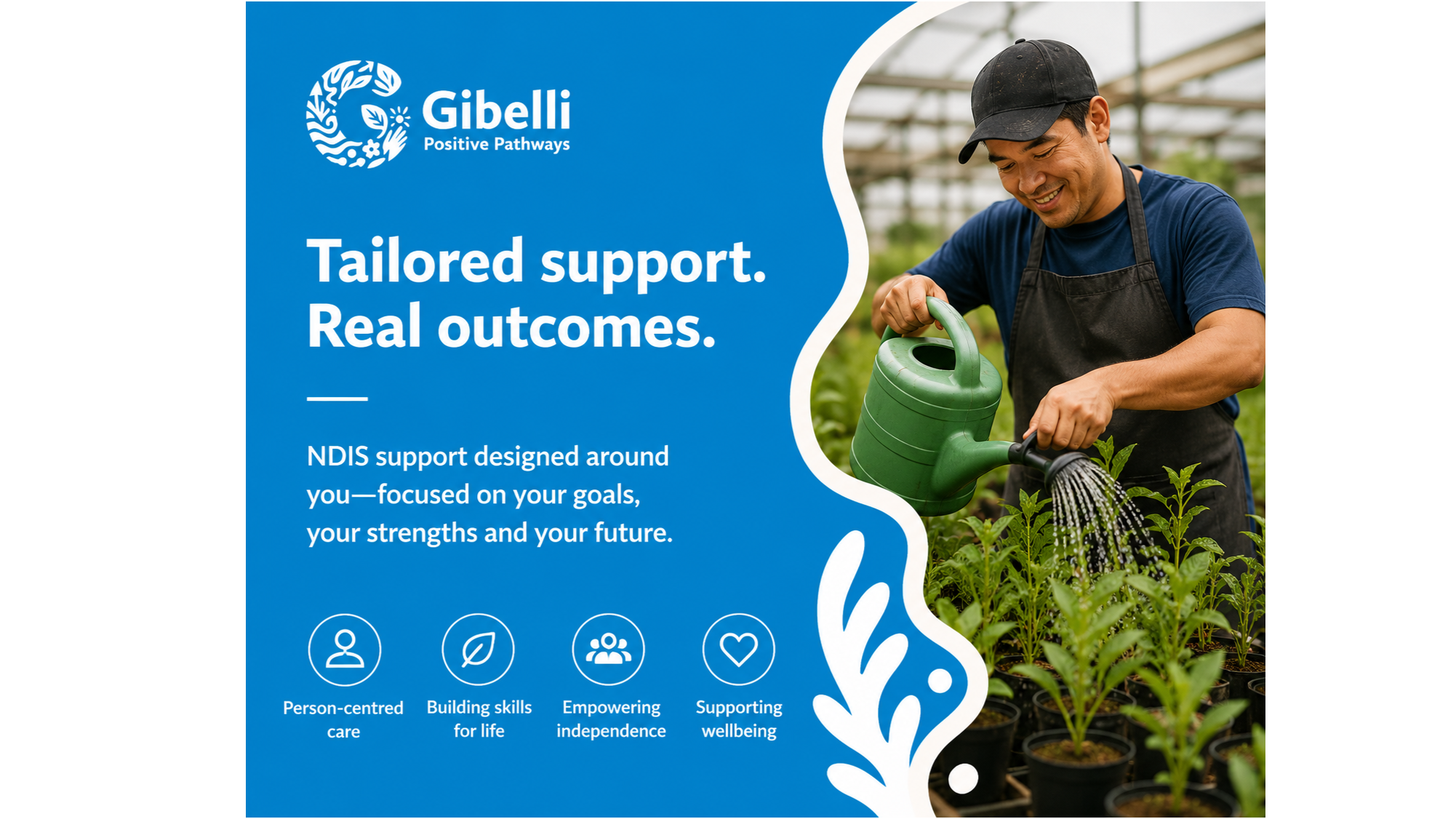
We provide mobile, practitioner-led NDIS Behaviour Support in Oakhurst (2761), Blacktown, and across Greater Sydney. Learn how in-home and school-based assessments drive better outcomes.
Mobile NDIS Behaviour Support Across Oakhurst, Western Sydney & NSW: Why Meeting Participants at Home & School Matters
Finding the right clinical support under the NDIS shouldn't depend on how far a participant can travel, nor should it force them into uncomfortable or unfamiliar environments.
For neurodivergent individuals and participants navigating complex behaviours of concern, traditional clinic-based therapy can sometimes introduce unnecessary stress. Busy waiting rooms, unfamiliar clinic lights, and strict artificial setups rarely reflect the realities of daily life.
At Gibelli Positive Pathways, we believe clinical care should adapt to the person—not the other way around. That’s why our Positive Behaviour Support (PBS) services are fully mobile, delivering practitioner-led, rights-based support across Oakhurst, Western Sydney, and regional NSW communities.
The Value of Mobile Support in Real-World Settings
When a Behaviour Support Practitioner conducts a Functional Behaviour Assessment (FBA) or implements a Behaviour Support Plan (BSP), context is everything. Behaviours of concern rarely occur in isolation; they are deeply connected to environmental triggers, sensory overload, communication barriers, and daily routines.
By meeting participants directly in their home, school, workplace, or local community, our practitioners can observe and support in real time:
In the Home: Understanding family dynamics, sensory inputs, and home routines allows us to co-design strategies that actually fit the household.
At School or Day Programs: Collaborating directly with educators and support staff ensures that environmental adjustments and proactive strategies are applied consistently throughout the day.
In the Community: Supporting participants in public spaces builds practical autonomy, confidence, and social participation without artificial boundaries.
Key Takeaway: Real-environment observation leads to more accurate assessments, more practical strategies, and significantly better long-term outcomes for participants and their support networks.
Neuro-Affirming & Rights-Based: Care That Respects the Individual
A mobile approach works hand-in-hand with our neuro-affirming and human-rights-focused clinical philosophy. We do not aim to eliminate natural expressions of neurodivergence or force masking. Instead, our focus is on:
Identifying Root Causes: Uncovering unmet needs, sensory triggers, or communication frustration behind challenging behaviours.
Reducing Restrictive Practices: Working dedicatedly to replace restrictive measures with proactive, environmental adjustments and skill-building.
Fostering Autonomy: Ensuring the participant's voice and choices remain at the center of their support plan.
Active Capacity in Oakhurst (2761) & Western Sydney
We currently have immediate capacity with a dedicated Behaviour Support Practitioner covering Oakhurst (2761), Plumpton, Glendenning, Mount Druitt, Rooty Hill, Blacktown, and the broader Greater Western Sydney region.
We actively collaborate with Support Coordinators, Plan Managers, local allied health professionals, and families to provide responsive intake with minimal waiting times.
Services Available Across NSW:
Positive Behaviour Support (Interim & Comprehensive BSPs, FBAs, and Restrictive Practice Panel submissions)
Stakeholder & Carer Training (Coaching support workers and families to implement strategies effectively)
Make a Referral in Under 2 Minutes
If you are a Support Coordinator seeking a reliable clinical partner or a family member looking for compassionate, community-based support, getting started is straightforward. Our clinical intake team reviews all requests promptly to ensure a smooth transition into care.
👉 Click here to complete our secure NDIS Referral Form
Have questions before referring? Contact our intake team at info@gibellipositivepathways.com.au or call us on 1300 090 468.
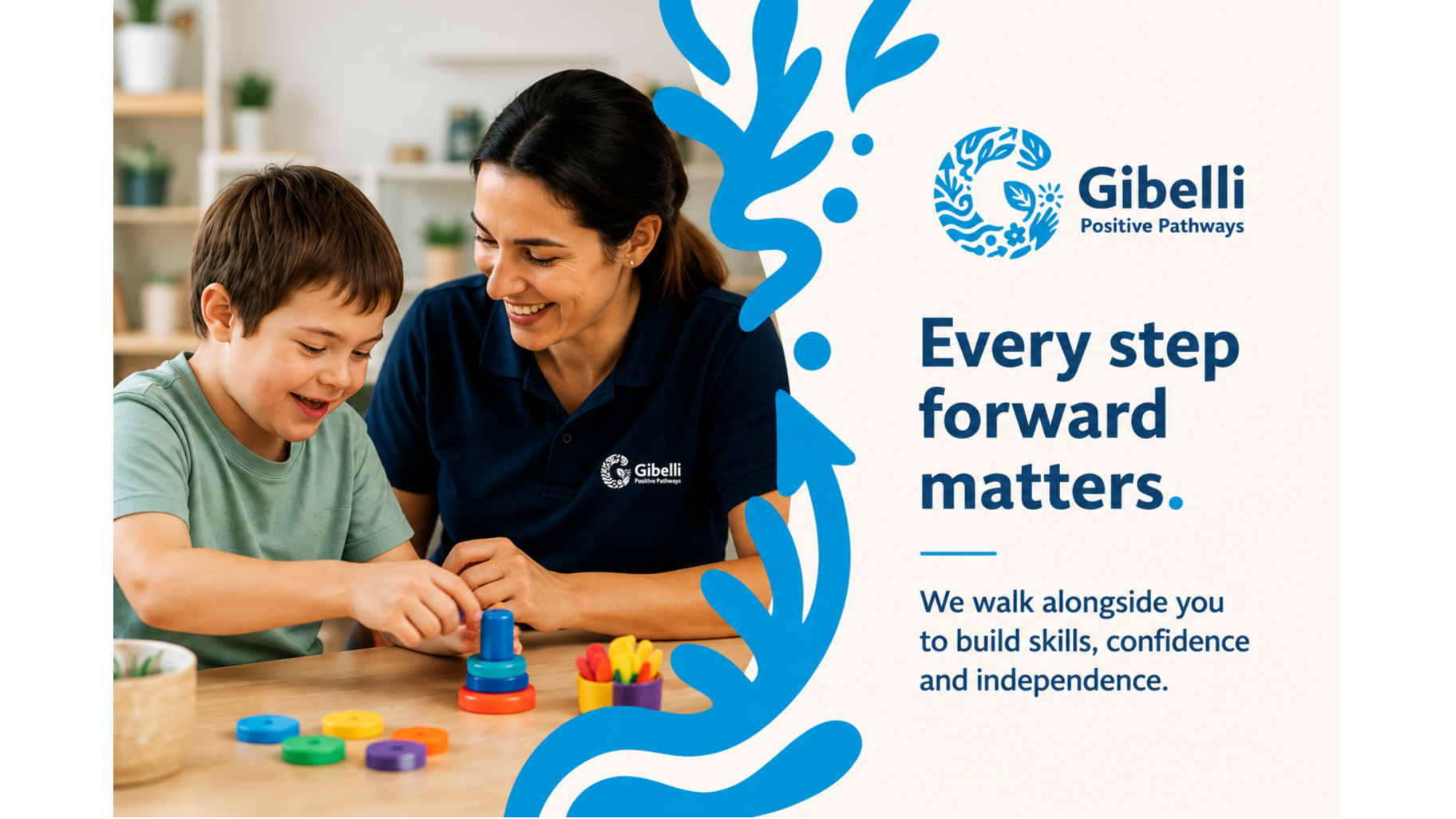
Delivering mobile, practitioner-led Positive Behaviour Support directly in homes, schools, and local communities across Greater Melbourne and Ballarat.
Mobile NDIS Behaviour Support Across Werribee, Greater Melbourne & Ballarat: Why Real-Environment Support Matters
Finding the right clinical support under the NDIS shouldn't depend on how far a participant can travel, nor should it force them into uncomfortable or unfamiliar environments.
For neurodivergent individuals and participants navigating complex behaviours of concern, traditional clinic-based therapy can sometimes introduce unnecessary stress. Busy waiting rooms, unfamiliar clinic lights, and strict artificial setups rarely reflect the realities of daily life.
At Gibelli Positive Pathways, we believe clinical care should adapt to the person—not the other way around. That’s why our Positive Behaviour Support (PBS) services are fully mobile, delivering practitioner-led, rights-based support directly to homes, schools, and community settings across Greater Melbourne and regional Victoria.
The Value of Mobile Support in Real-World Settings
When a Behaviour Support Practitioner conducts a Functional Behaviour Assessment (FBA) or implements a Behaviour Support Plan (BSP), context is everything. Behaviours of concern rarely occur in isolation; they are deeply connected to environmental triggers, sensory overload, communication barriers, and daily routines.
By meeting participants directly in their home, school, workplace, or local community, our practitioners can observe and support in real time:
In the Home: Understanding family dynamics, sensory inputs, and home routines allows us to co-design strategies that actually fit the household.
At School or Day Programs: Collaborating directly with educators and support staff ensures that environmental adjustments and proactive strategies are applied consistently throughout the day.
In the Community: Supporting participants in public spaces builds practical autonomy, confidence, and social participation without artificial boundaries.
Key Takeaway: Real-environment observation leads to more accurate assessments, more practical strategies, and significantly better long-term outcomes for participants and their support networks.
Neuro-Affirming & Rights-Based: Care That Respects the Individual
A mobile approach works hand-in-hand with our neuro-affirming and human-rights-focused clinical philosophy. We do not aim to eliminate natural expressions of neurodivergence or force masking. Instead, our focus is on:
Identifying Root Causes: Uncovering unmet needs, sensory triggers, or communication frustration behind challenging behaviours.
Reducing Restrictive Practices: Working dedicatedly to replace restrictive measures with proactive, environmental adjustments and skill-building.
Fostering Autonomy: Ensuring the participant's voice and choices remain at the center of their support plan.
Active Capacity Across Greater Melbourne & Regional Victoria
We maintain active practitioner capacity across key Victorian corridors, providing responsive intake with minimal waiting times:
Greater Melbourne Metropolitan Area: Western, Northern, Eastern, and Southern suburbs (including Werribee, Wyndham, Tarneit, Melton, and surrounding metro hubs).
Regional Hubs: Ballarat and surrounding regional communities.
We actively collaborate with Support Coordinators, Plan Managers, local allied health professionals, and families to streamline referrals and ensure fast allocations.
Services Available Across VIC:
Positive Behaviour Support (Interim & Comprehensive BSPs, FBAs, and Restrictive Practice Panel submissions)
Stakeholder & Carer Training (Coaching support workers and families to implement strategies effectively)
Make a Referral in Under 2 Minutes
If you are a Support Coordinator seeking a reliable clinical partner or a family member looking for compassionate, community-based support, getting started is straightforward. Our clinical intake team reviews all requests promptly to ensure a smooth transition into care.
👉 Click here to complete our secure NDIS Referral Form
Have questions before referring? Contact our intake team at info@gibellipositivepathways.com.au or call us on 1300 090 468.
Delivering practitioner-led, neuro-affirming Positive Behaviour Support directly to homes, schools, and communities across Greater Adelaide and regional South Australia.
Mobile NDIS Behaviour Support Across Greater Adelaide & SA: Why Meeting Participants at Home & School Matters
Finding the right clinical support under the NDIS shouldn't depend on how far a participant can travel, nor should it force them into uncomfortable or unfamiliar environments.
For neurodivergent individuals and participants navigating complex behaviours of concern, traditional clinic-based therapy can sometimes introduce unnecessary stress. Busy waiting rooms, unfamiliar clinic lights, and strict artificial setups rarely reflect the realities of daily life.
At Gibelli Positive Pathways, we believe clinical care should adapt to the person—not the other way around. That’s why our Positive Behaviour Support (PBS) services are fully mobile, delivering practitioner-led, rights-based support across Greater Adelaide and regional South Australia.
The Value of Mobile Support in Real-World Settings
When a Behaviour Support Practitioner conducts a Functional Behaviour Assessment (FBA) or implements a Behaviour Support Plan (BSP), context is everything. Behaviours of concern rarely occur in isolation; they are deeply connected to environmental triggers, sensory overload, communication barriers, and daily routines.
By meeting participants directly in their home, school, workplace, or local community, our practitioners can observe and support in real time:
In the Home: Understanding family dynamics, sensory inputs, and home routines allows us to co-design strategies that actually fit the household.
At School or Day Programs: Collaborating directly with educators and support staff ensures that environmental adjustments and proactive strategies are applied consistently throughout the day.
In the Community: Supporting participants in public spaces builds practical autonomy, confidence, and social participation without artificial boundaries.
Key Takeaway: Real-environment observation leads to more accurate assessments, more practical strategies, and significantly better long-term outcomes for participants and their support networks.
Neuro-Affirming & Rights-Based: Care That Respects the Individual
A mobile approach works hand-in-hand with our neuro-affirming and human-rights-focused clinical philosophy. We do not aim to eliminate natural expressions of neurodivergence or force masking. Instead, our focus is on:
Identifying Root Causes: Uncovering unmet needs, sensory triggers, or communication frustration behind challenging behaviours.
Reducing Restrictive Practices: Working dedicatedly to replace restrictive measures with proactive, environmental adjustments and skill-building.
Fostering Autonomy: Ensuring the participant's voice and choices remain at the center of their support plan.
Active Capacity Across Greater Adelaide & SA Regions
Whether you are located in the Central Adelaide metropolitan area, Northern corridors like Gawler and Playford, Southern suburbs, or the Adelaide Hills (including Mount Barker and Stirling), our mobile practitioners come directly to you.
We actively collaborate with Support Coordinators, Plan Managers, local allied health professionals, and families to provide responsive intake with minimal waiting times.
Services Available Across SA:
Positive Behaviour Support (Interim & Comprehensive BSPs, FBAs, and Restrictive Practice Panel submissions)
Stakeholder & Carer Training (Coaching support workers and families to implement strategies effectively)
Make a Referral in Under 2 Minutes
If you are a Support Coordinator seeking a reliable clinical partner or a family member looking for compassionate, community-based support, getting started is straightforward. Our clinical intake team reviews all requests promptly to ensure a smooth transition into care.
👉 Click here to complete our secure NDIS Referral Form
Have questions before referring? Contact our intake team at info@gibellipositivepathways.com.au or call us on 1300 090 468.
Delivering practitioner-led, neuro-affirming Positive Behaviour Support directly to homes, schools, and communities across Greater Perth and regional Western Australia.
Mobile NDIS Behaviour Support Across Greater Perth & WA: Why Meeting Participants at Home & School Matters
Finding the right clinical support under the NDIS shouldn't depend on how far a participant can travel, nor should it force them into uncomfortable or unfamiliar environments.
For neurodivergent individuals and participants navigating complex behaviours of concern, traditional clinic-based therapy can sometimes introduce unnecessary stress. Busy waiting rooms, unfamiliar clinic lights, and strict artificial setups rarely reflect the realities of daily life.
At Gibelli Positive Pathways, we believe clinical care should adapt to the person—not the other way around. That’s why our Positive Behaviour Support (PBS) services are fully mobile, delivering practitioner-led, rights-based support across Greater Perth and key regional WA communities.
The Value of Mobile Support in Real-World Settings
When a Behaviour Support Practitioner conducts a Functional Behaviour Assessment (FBA) or implements a Behaviour Support Plan (BSP), context is everything. Behaviours of concern rarely occur in isolation; they are deeply connected to environmental triggers, sensory overload, communication barriers, and daily routines.
By meeting participants directly in their home, school, workplace, or local community, our practitioners can observe and support in real time:
In the Home: Understanding family dynamics, sensory inputs, and home routines allows us to co-design strategies that actually fit the household.
At School or Day Programs: Collaborating directly with educators and support staff ensures that environmental adjustments and proactive strategies are applied consistently throughout the day.
In the Community: Supporting participants in public spaces builds practical autonomy, confidence, and social participation without artificial boundaries.
Key Takeaway: Real-environment observation leads to more accurate assessments, more practical strategies, and significantly better long-term outcomes for participants and their support networks.
Neuro-Affirming & Rights-Based: Care That Respects the Individual
A mobile approach works hand-in-hand with our neuro-affirming and human-rights-focused clinical philosophy. We do not aim to eliminate natural expressions of neurodivergence or force masking. Instead, our focus is on:
Identifying Root Causes: Uncovering unmet needs, sensory triggers, or communication frustration behind challenging behaviours.
Reducing Restrictive Practices: Working dedicatedly to replace restrictive measures with proactive, environmental adjustments and skill-building.
Fostering Autonomy: Ensuring the participant's voice and choices remain at the center of their support plan.
Active Capacity Across Greater Perth & WA Regions
Whether you are located in Perth’s Northern Suburbs, Joondalup, Southern Suburbs, Fremantle, Rockingham, Mandurah/Peel, or regional WA centers, our mobile practitioners come directly to you.
We actively collaborate with Support Coordinators, Plan Managers, local allied health professionals, and families to provide responsive intake with minimal waiting times.
Services Available Across WA:
Positive Behaviour Support (Interim & Comprehensive BSPs, FBAs, and Restrictive Practice Panel submissions)
Stakeholder & Carer Training (Coaching support workers and families to implement strategies effectively)
Make a Referral in Under 2 Minutes
If you are a Support Coordinator seeking a reliable clinical partner or a family member looking for compassionate, community-based support, getting started is straightforward. Our clinical intake team reviews all requests promptly to ensure a smooth transition into care.
👉 Click here to complete our secure NDIS Referral Form
Have questions before referring? Contact our intake team at info@gibellipositivepathways.com.au or call us on 1300 090 468.