
NDIS Positive Behaviour Support Insights | Gibelli Positive Pathways
Providing mobile PBS and Functional Behaviour Assessments to families across Victoria, New South Wales, South Australia, and Western Australia. While we support participants across multiple states, we are currently offering priority mobile capacity in Melbourne’s Western suburbs, including Melton, Werribee, and the Wyndham corridor.
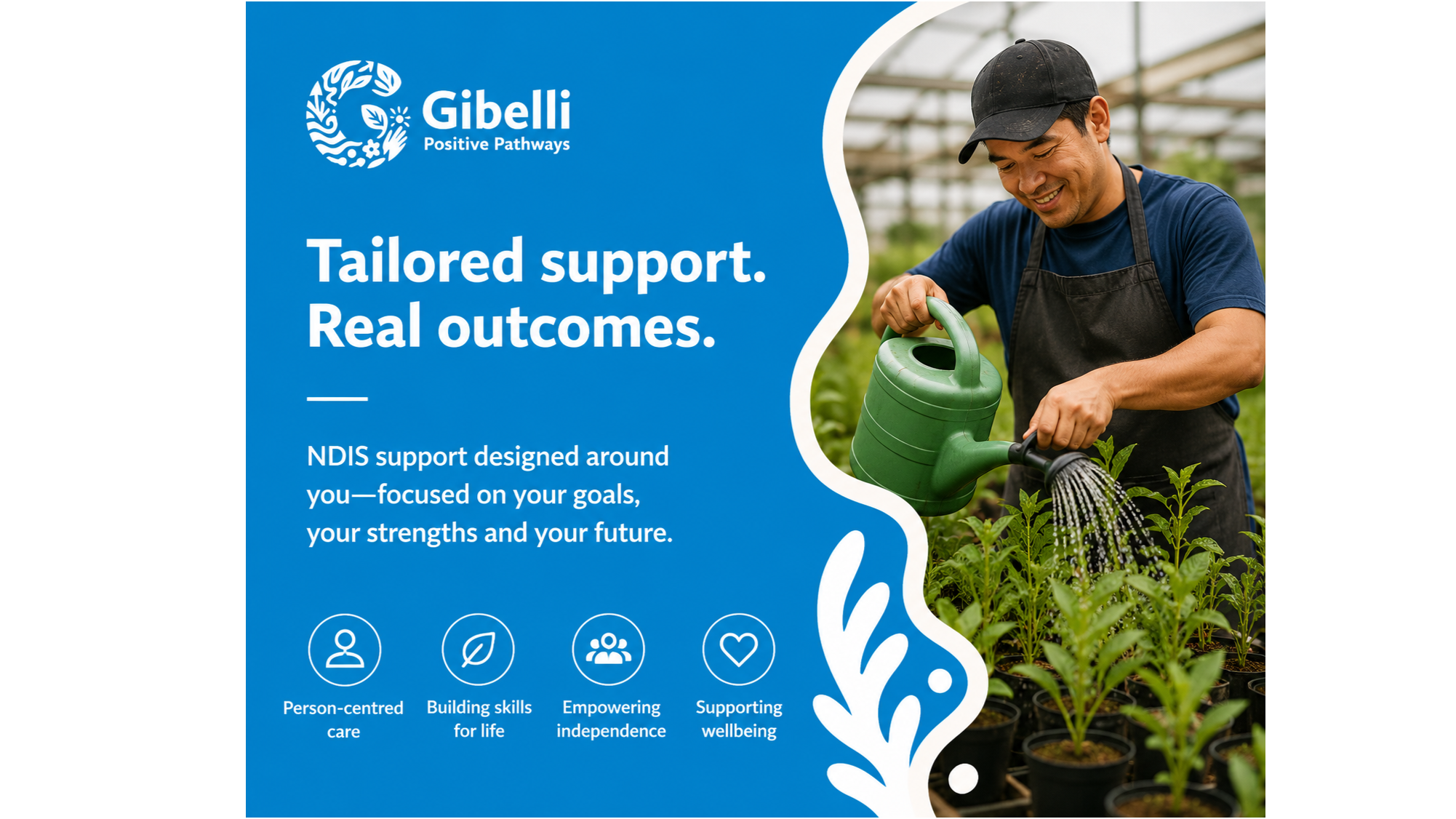
Reactive crisis management treats the symptoms of distress, not the cause. Discover how Gibelli Positive Pathways utilizes localized travel corridors to deliver immediate capacity and proactive environmental design for NDIS participants across Adelaide and the Adelaide Hills.
Beyond Crisis Management: Proactive Environmental Design in Adelaide NDIS Behaviour Support
For NDIS Support Coordinators across the Adelaide metropolitan area and the Adelaide Hills, a common pattern frequently disrupts participant funding: reactive intervention. Too often, a referral for Specialist Positive Behaviour Support (PBS) is only actioned after a severe environmental crisis occurs. The participant is highly distressed, the care circle is exhausted, and the clinical focus is forced into immediate damage control rather than sustainable progress.
When a PBS provider relies on a high-volume, reactive model, practitioners spend their limited time putting out fires. They deliver emergency management plans that manage a crisis in the moment, rather than doing the deep clinical work required to prevent the crisis from happening in the first place.
At Gibelli Positive Pathways, we approach South Australian behavior support with a proactive, structure-first model. By protecting our mobile practitioners' active capacity and anchoring them within dedicated local travel corridors, we give them the dedicated headspace required to implement proactive environmental design—naturally reducing stress before it boils over.
The Cost of the Reactive Cycle
When behavior support is treated as a reactionary tool rather than an early intervention strategy, the participant's entire support ecosystem is affected:
Entrenched Environmental Stressors: Without systematic changes to sensory, communication, and social environments, the root causes of distress remain completely unaddressed.
Over-Reliance on Direct Interventions: Care circles default to managing behaviors of concern on a purely behavioral level, leading to systemic fatigue and higher rates of staff turnover.
Compliance Overwhelm: Reactive models frequently lead to an increase in the emergency use of restrictive practices, spiking the administrative and legislative reporting burden on Support Coordinators and implementing providers.
The Proactive Advantage: Altering the Space, Upskilling the Circle
We reject the high-volume corporate approach that treats a written plan as a static compliance document. Keeping our South Australian team localized within distinct geographic hubs directly transforms how we build safety and predictability around your participant:
1. In-Situ Environmental Audits
Our practitioners don't operate from behind a screen. Because they operate strictly within designated corridors like Salisbury or Mount Barker, they quickly conduct extensive, face-to-face observations in the spaces where life occurs. We audit the home, school, or day program to identify subtle sensory triggers and communicative frustrations that are driving behavioral escalations.
2. Engineering True Neuro-Affirming Spaces
Our clinical focus is never about changing a neurodivergent individual to fit an unaccommodating environment. We focus on modifying the environment to fit the individual. We design practical, realistic environmental adaptations—altering sensory inputs, implementing robust augmentative communication tools, and restructuring daily transitions to create a safe, predictable baseline.
3. Collaborative Care Circle Integration
Proactive environmental design is only successful if the entire care circle understands the why behind the modifications. Our localized mobile model allows our clinicians to work directly alongside families, school educators, and support workers. We model the environmental adjustments in real time, transforming the care network from a reactive crisis team into a proactive, cohesive support unit.
Our Clinical Commitment: Proactive clinical work demands time, mental clarity, and consistent local presence. By explicitly capping our practitioners' active caseloads and limiting their travel boundaries, we ensure they arrive at every session with the focus required to design human-rights aligned, deeply considered environmental strategies.
Active Service Corridors in South Australia
We are actively accepting referrals with immediate capacity and zero waitlists across our established local service zones:
Adelaide Northern Suburbs & Growth Corridors: Mobile outreach centered across Mawson Lakes, Eyre, Playford, and Salisbury.
Adelaide Hills & Regional Hubs: Dedicated mobile capacity servicing Mount Barker, Stirling, and surrounding regional communities.
Adelaide Metro: Comprehensive coverage across the Eastern, Western, and Southern suburbs (including targeted capacity in Onkaparinga and Marion).
Our Streamlined Intake Process
We have completely stripped the administrative friction out of our intake process so Adelaide families and Support Coordinators can exit the triage loop immediately.
1.5-Minute Portal Submission:Step 1.
Submit the participant’s goals, primary environmental challenges, and any clinical history through our secure website portal.
2.Corridor Matching Review within 48 Hours:Step 2.
Our South Australian intake team reviews the file to ensure a perfect geographic match with a practitioner working in your local corridor.
3.Immediate Practitioner Assignment:Step 3.
Because we consciously cap active caseloads, a local clinician takes full ownership of the file immediately with zero waitlist lag.
4.First Mobile Visit Booked:Step 4.
The assigned practitioner contacts the family and Support Coordinator directly to arrange the initial face-to-face mobile observation.
Partner with Gibelli South Australia
If you are an SA Support Coordinator looking to collaborate with a responsive partner that values proactive clinical intervention, clear communication, and deep local expertise, we are ready to assist.
Fast-Track Referrals: Avoid administrative delays by submitting a referral or filling out a referral form through our website via our secure Make a Referral | Gibelli Positive Pathways.
Direct SA Intake Inquiries: To verify specific street-level coverage or discuss a complex environmental situation, email our team directly at info@gibellipositivepathways.com.au or call 1300 090 468.